
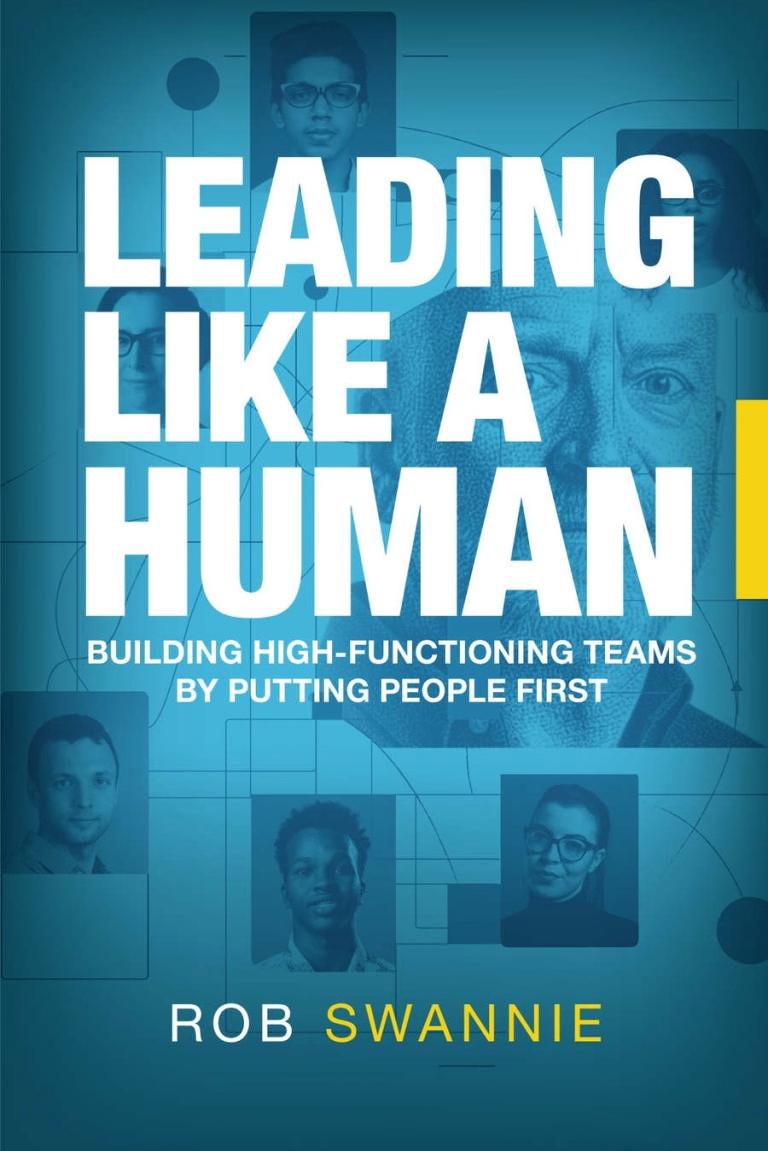
A workplace can have ambitious goals, sophisticated systems, and carefully designed processes, yet leadership still comes down to people interacting with people. Rob Swannie explores this reality in Leading Like a Human: Building High-Functioning Teams by Putting People First, drawing on more than three decades of leadership experience.
Through practical lessons involving trust, communication, empathy, accountability, and personal growth, the book encourages leaders to examine how their everyday behavior affects the people around them. Its ideas are relevant to established executives, managers, business owners, and professionals preparing to lead teams of their own.
When Leadership Becomes Personal
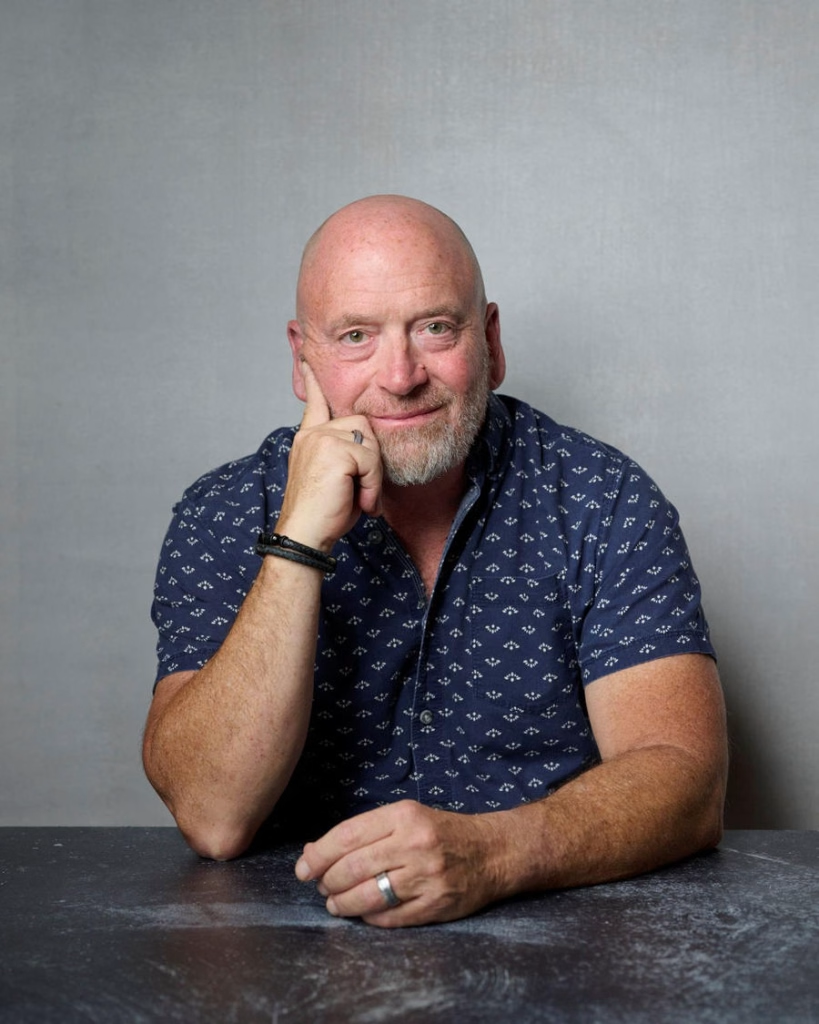
Rob’s perspective was shaped over years of working in technology and cybersecurity, including periods of substantial organizational growth and transformation. His career gave him opportunities to lead people through complex situations where technical knowledge alone could only go so far.
Earlier in his professional journey, Rob viewed leadership largely through problem-solving. Having the answer seemed important. Fixing an issue quickly felt like evidence of effective leadership. Experience gradually taught him to look deeper.
He began asking different questions. What motivates a particular employee? What talent might be waiting for an opportunity? What is preventing someone from progressing? What kind of guidance could help that person develop?
These questions helped shape the philosophy behind Leading Like a Human. Rob came to understand that leadership involves recognizing individuals, learning how they operate, and creating circumstances where their abilities can emerge.
His lessons were developed through lived experience. Some arrived through successful teams, while others emerged from mistakes, failures, difficult conversations, and challenging periods of change. Employees themselves became important teachers throughout that journey.
Building an Environment Where People Can Perform
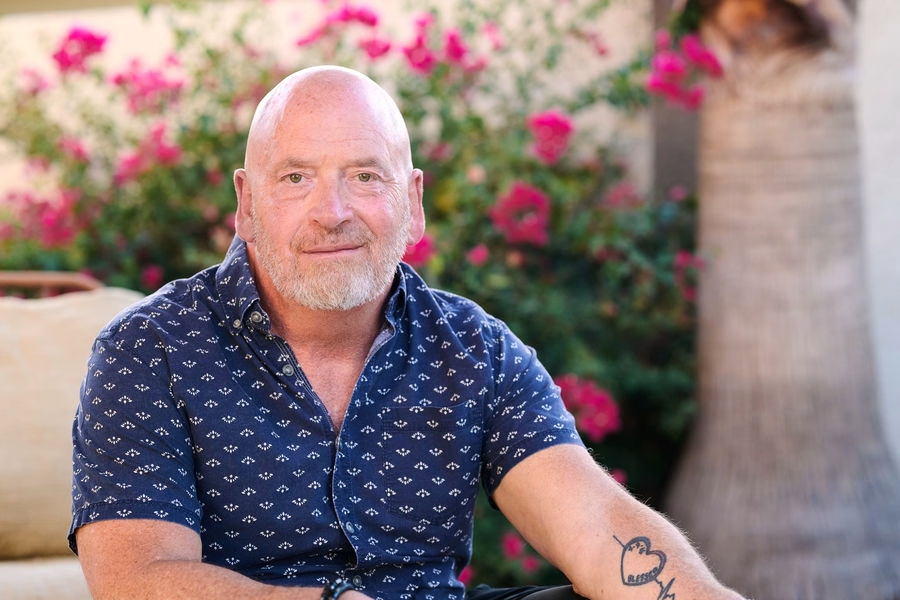
A central principle of the book is simple: people can perform at their best when they’re treated as people rather than resources.
That principle influences the way Rob discusses trust. Trust develops gradually through actions and repeated experiences. Leaders have opportunities to strengthen it when they communicate clearly, keep commitments, listen carefully, and demonstrate genuine interest in their teams.
Accountability has an important place within this environment. People need clarity about their responsibilities and the standards associated with their work. Rob’s philosophy encourages leaders to establish those expectations while remaining attentive to development and individual circumstances.
Communication ties these ideas together. A thoughtful conversation can uncover a problem before it grows. Feedback can help someone improve. A well-timed question may reveal an employee’s ambition or an ability that has remained unnoticed.
Rob also places considerable value on presence. Leadership frequently happens during unscheduled moments when somebody needs direction, reassurance, feedback, or simply an attentive listener. The way a leader responds can influence trust long after that interaction has ended.
This focus makes the book especially relevant to professionals managing teams during periods of uncertainty and change.
Growing Alongside the People You Lead
Leadership development, as presented in Leading Like a Human, continues throughout a person’s career. Experience provides lessons, and each new team introduces different personalities, circumstances, and challenges.
Rob encourages leaders to bring curiosity into those situations. Understanding people requires listening and observation. It also requires enough self-awareness to recognize when one’s own leadership approach needs adjustment.
Emotional intelligence becomes particularly valuable in this process. Leaders who recognize how their words and actions affect others can become more deliberate in their communication. They can identify when an employee needs encouragement, when expectations require clarification, or when a difficult conversation deserves immediate attention.
Helping people recognize their potential is another meaningful element of Rob’s philosophy. Throughout his career, he has seen situations where a leader’s confidence in someone helped that individual see new possibilities.
That type of development can influence more than individual performance. As people gain confidence and accept greater responsibility, the broader team gains additional capability.
About the Author
Robert Swannie is a cybersecurity executive, organizational transformation leader, and author with more than 30 years of technology leadership experience. He has built and transformed high-performing teams while working through periods of growth, organizational change, and complexity.
Rob’s leadership philosophy centers on building trust, developing people, and creating environments where individuals can do their best work. He is increasingly focused on sharing the lessons his career has taught him about empathy, accountability, communication, and human connection.
The Value of Showing Up
Leading Like a Human: Building High-Functioning Teams by Putting People First presents leadership as a responsibility practiced through everyday actions and relationships. It encourages readers to pay attention to the human experiences unfolding alongside objectives, deadlines, and organizational demands.
Rob’s message ultimately brings leadership to a relatable level. Leaders can keep growing by listening carefully, remaining curious, recognizing potential, and showing up with care when their people need them most.
We had the privilege of interviewing the author. Here are excerpts from the interview:
Thank you so much for joining us today! Please introduce yourself and tell us what you do.
I’m Rob Swannie, a technology and cybersecurity leader, author, and lifelong student of leadership. I’ve spent more than 30 years building and transforming teams, often in environments going through significant change.
I’m also the author of Leading Like a Human: Building High-Functioning Teams by Putting People First. At this point in my career, I’m increasingly focused on sharing what I’ve learned about leadership, especially the idea that trust, empathy, accountability, and human connection aren’t soft skills. They’re what allow teams to perform at their best.
Please tell us about your journey.
My leadership journey definitely wasn’t a straight line, and I wasn’t naturally great at it.
Early in my career, I thought leadership meant having the answers and solving problems. Over time, I learned that the real job is understanding people—what motivates them, what they’re capable of, what might be holding them back, and sometimes seeing potential in them before they see it themselves.
Some of my greatest lessons didn’t come from leadership books or classrooms. They came from difficult conversations, mistakes, failures, incredible employees, and moments when somebody needed me to show up as a human being rather than as their boss.
Those experiences eventually became Leading Like a Human. The book isn’t about perfect leadership. It’s about what happens in real moments with real people.
What are the strategies that helped you become successful in your journey?
Curiosity has probably been one of the biggest.
I ask questions. I listen. I try to understand people before deciding what they need from me. And I’ve learned that different people need different things from a leader.
I’ve also become very comfortable saying, “I don’t know.” Leadership isn’t about being the smartest person in the room. If I’ve built the right team, I shouldn’t be.
Another strategy is giving people room to grow. I’ve watched people completely transform when somebody genuinely trusted them, challenged them, and gave them permission to stretch beyond the role they were originally hired to do.
Finally, I believe strongly in accountability, but accountability without fear. People need to know where they stand, including when something isn’t working. You can have difficult conversations while still treating someone with dignity and respect.
Any message for our readers?
Never underestimate the impact you can have on another human being.
Thank you so much, Rob Swannie, for giving us your precious time! We wish you all the best for your journey ahead!
Knowledge grows when shared. Please Pass it on!

Discover more from Paxjones
Subscribe to get the latest posts sent to your email.