

Sad Boy and the Art of Surviving Yourself
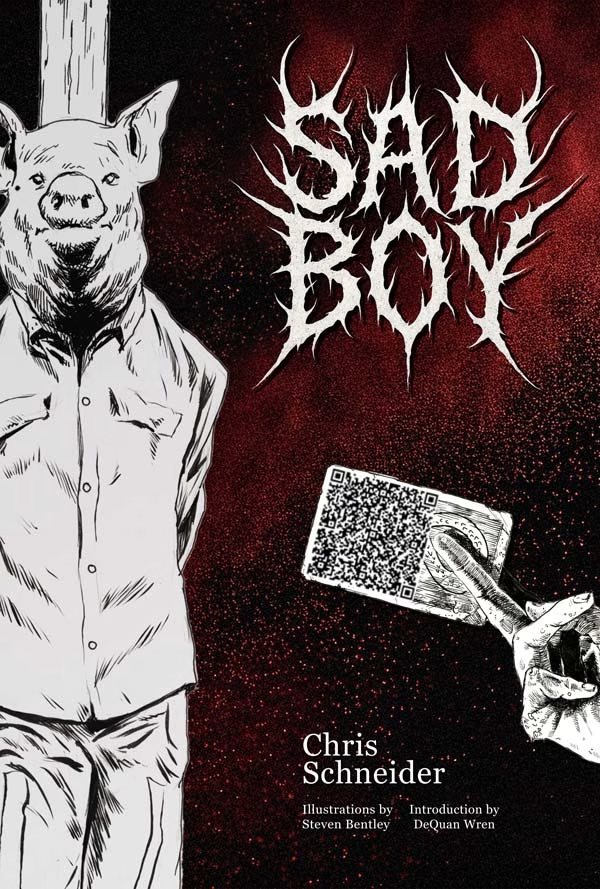
When Chris Schneider released his debut poetry collection Sad Boy, readers didn’t just get a book—they got a mirror held up to the messiest corners of growing up. Now available in paperback on Amazon, this slim volume punches far above its weight. It’s dark, funny, and disarmingly honest, the kind of poetry that sneaks under your skin and stays there.
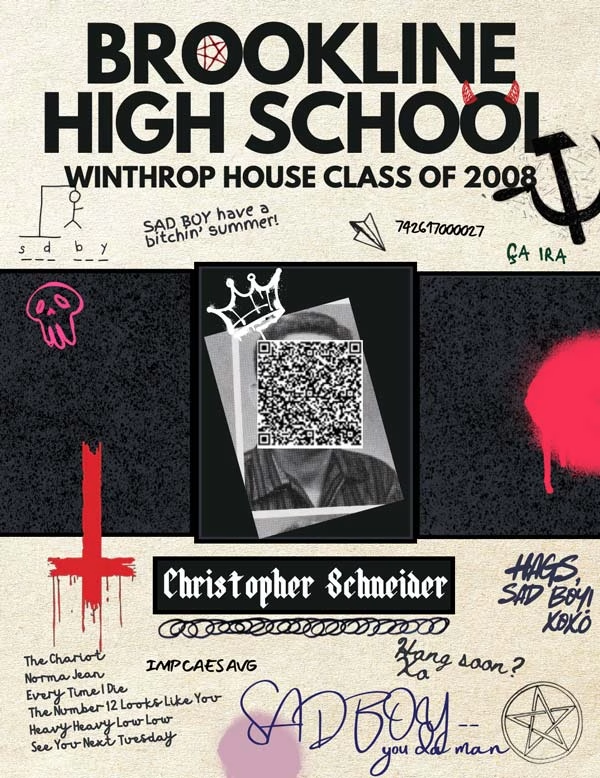
Chris, born in Brookline, Massachusetts in 1989, studied Ancient History at the University of Texas at Austin—a detail that might explain the historical ghosts and philosophical edge running through his verses. But Sad Boy didn’t come from dusty books or lectures. It came from something more personal: the rediscovery of his high school yearbook. What started as nostalgia spiraled into reflection, and eventually, into a collection that captures adolescence in all its chaos—its heartbreaks, absurdities, and small flashes of joy.
A Journey Through Pain and Wit
From the first act, Every Time I Die, the tone is clear—Chris isn’t afraid to talk about pain. The opening poems, “Sad Boy” and “Hellraiser,” dive headfirst into themes of mental health, trauma, and identity. They’re unfiltered but never self-pitying. There’s movement in every line, a rhythm that mirrors how memory works—flickering, messy, raw.
But what sets Chris apart is how he balances that darkness with biting humor. Just when a verse threatens to collapse under its own weight, he throws in a line so sharply funny you can’t help but grin. The result feels like overhearing someone confess their worst thoughts—then laugh about them. There’s healing in that laugh, even if it’s brief.
Steven Bentley’s stark illustrations frame these emotions beautifully. His black ink sketches add another layer of storytelling—moody, abstract, and slightly surreal. They don’t just decorate the poems; they amplify them, like echoes of a restless mind. Together, text and image create an immersive experience that feels more cinematic than literary.
Where Pop Culture Meets Existential Crisis
Chris doesn’t write like someone trying to impress academics. His references are delightfully eclectic—MTV shows, cult films, philosophers, French revolutionaries, and bits of teenage slang. The poems in Sad Boy feel like they’re set in a mental scrapbook—half diary, half mixtape.
Take Black Room or Pretty in Pink—both dripping with a kind of youthful nostalgia that’s equal parts sweet and cynical. Then there’s New Fatalism, where Chris uses historical and political imagery to question the systems we grow up inside. He’s not giving lectures—he’s venting through art. And it works.
Each poem feels like a snapshot of a specific emotional moment. Darkest Dungeon aches with the weight of heartbreak, while Charles I closes the collection with bittersweet calm, marking the end of a turbulent youth. Through it all, you can feel the pulse of pop culture—a soundtrack humming underneath the sorrow.
Chris uses those cultural touchstones the way people use memes or song lyrics to say what they can’t. It’s communication through symbols—quick, clever, and instantly relatable. Readers who grew up with the same TV glow and restless energy will find themselves nodding, maybe even wincing, at the familiarity.
The Sound of a Generation Thinking Out Loud
The most striking thing about Sad Boy is how it manages to sound both ancient and modern. The poems are short, conversational, but dense with meaning. You can almost hear Chris thinking through the words, working things out in real time. That unpolished honesty is what makes it so compelling.
This isn’t poetry that hides behind metaphors. It’s direct, sometimes painfully so. But beneath the angst is an undeniable empathy. You sense that Chris isn’t just writing for himself—he’s writing for anyone who’s ever stared at the ceiling at 2 a.m. wondering what comes next.
There’s a rhythm to the chaos, too. The four-act structure—Every Time I Die, Joséphine de Beauharnais, Reign of Terror, and Into the Wild—suggests transformation. You start with despair, stumble through love, rebellion, and self-awareness, and finally land on something close to acceptance. It’s messy, but it’s progress.
DeQuan Wren’s introduction sets the tone perfectly, welcoming readers into a world that’s both familiar and foreign—a world where vulnerability is power, and satire is survival. You finish the book with the strange sense that you’ve grown alongside the narrator, even if you’re decades past your teenage years.
Why Sad Boy Matters
In an era of polished personas and curated emotions, Sad Boy feels like a rebellion. It’s a reminder that art doesn’t have to be pretty to be powerful. Chris Schneider has crafted something intimate and brave—a poetic record of survival through humor, heartbreak, and defiance.
It’s easy to imagine this collection sitting on the bedside tables of young poets, misfits, and anyone who’s ever turned pain into a punchline. And now, with its paperback release on Amazon, it’s more accessible than ever—a small book with a big voice, echoing through the shared ache of growing up.
Chris doesn’t offer neat resolutions or silver linings. He offers honesty—and that’s enough. His words prove that even in the darkest corners of youth, there’s light in laughter, and poetry in persistence. Sad Boy isn’t just a title—it’s a statement of survival, whispered, shouted, and scribbled across the pages of memory.
Knowledge grows when shared. Please Pass it on!

Discover more from Paxjones
Subscribe to get the latest posts sent to your email.