

Exploring a Writer-Friendly Guide to Creative Growth
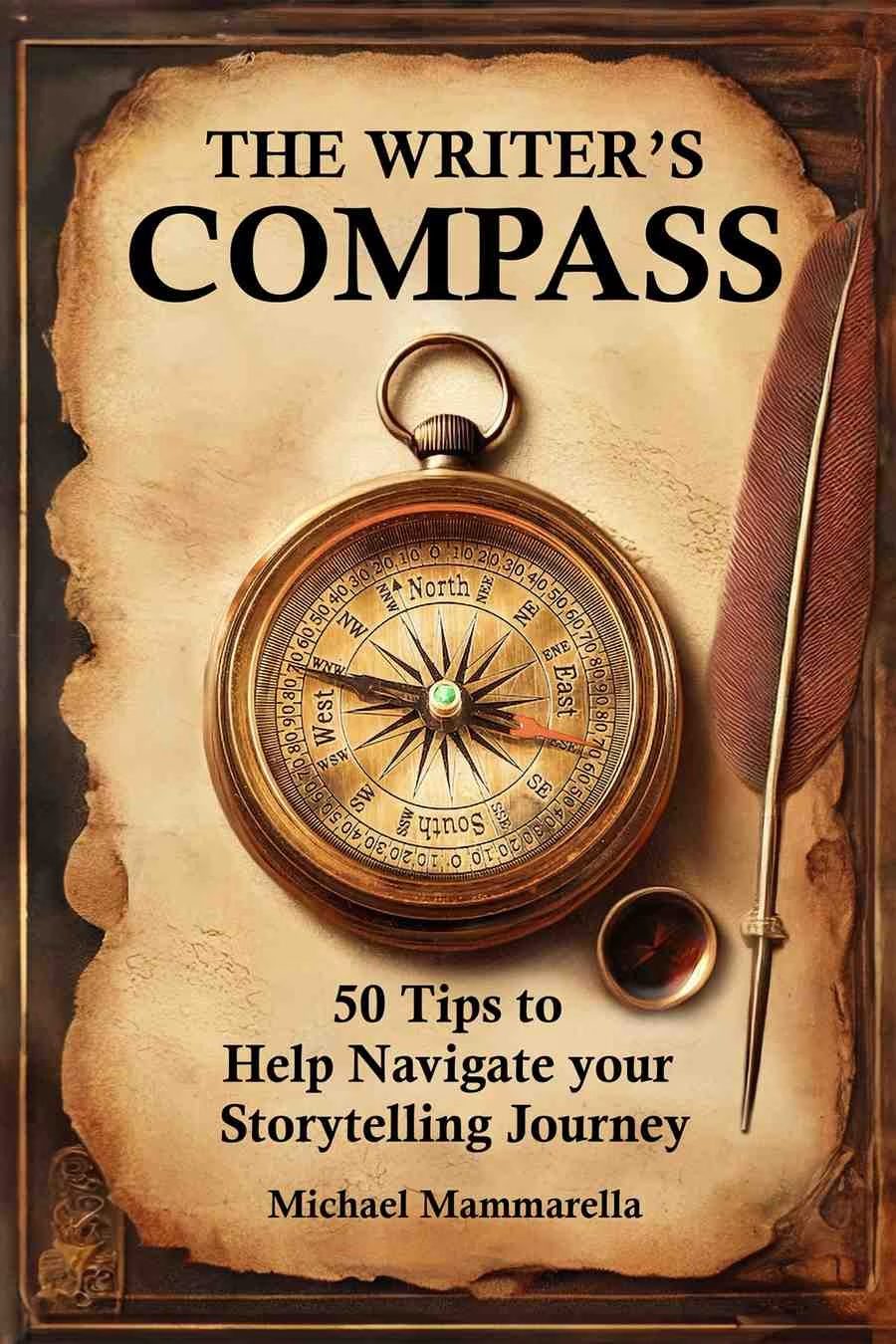
The Writer’s Compass: 50 Tips to Help Navigate Your Storytelling Journey by Michael Mammarella is a refreshing resource for anyone who enjoys creating stories. At its core, the book offers guidance that feels friendly, clear, and deeply encouraging. After the first introduction, readers quickly feel connected to Michael, because he writes as though he’s sitting across the table, cheering them on through every stage of the writing process.
Many people dream of writing but often feel stuck, overwhelmed, or unsure where to begin. This guide steps in with practical tools, steady reassurance, and a structure that breaks the creative process into simple, manageable parts. Instead of long lectures or heavy theory, it uses short, focused tips that help writers make progress right away.
What Makes This Guide So Appealing
One of the most inviting aspects of the book is how accessible it feels. Michael organizes his ideas into ten parts, each dedicated to a specific area of writing growth. Readers move from mindset to structure, then from character development to motivation, and eventually to editing and long-term creative habits. The layout gives writers a sense of direction, which can be incredibly grounding during moments of self-doubt.
Each tip feels like a small stepping-stone. Some help writers start a new routine, while others encourage them to refine a scene, rethink dialogue, or unlock new emotional layers in their characters. Writers who feel intimidated by long chapters will appreciate the quick, digestible style. They can open the book anywhere and immediately pick up something useful.
Michael’s reminders about patience and persistence also stand out. He encourages writers to accept imperfect drafts and to keep writing through the messy early stages. This perspective helps ease the pressure many writers put on themselves, shifting the focus toward growth rather than perfection.
A Creative Toolkit Filled with Practical Solutions
The book also shines when it comes to offering hands-on strategies. Michael gives advice that writers can use during their next writing session, whether they have ten minutes or a full afternoon. Writers who deal with creative blocks will find simple ideas that help them reset their focus. A brief walk, a new setting, or a few lines of freewriting can sometimes be enough to restart momentum.
Writers who enjoy improving their craft will find guidance on pacing, world-building, and character depth. There are tips for strengthening emotional beats, shaping compelling conflicts, and creating scenes that feel vivid and alive. Michael uses examples to help writers understand how each technique works on the page, making the lessons easier to apply.
For writers who want to stay inspired, the book includes sections devoted to motivation and curiosity. Michael introduces writing prompts, feedback practices, and ways to reconnect with creativity when energy is low. Many of these reminders feel warm and supportive, almost like advice from a writing partner who understands the highs and lows of the journey.
The Author Behind the Advice

Part of the book’s charm comes from the perspective Michael brings to it. His background as a writer and screenwriter gives him insight into the creative challenges storytellers face daily. He understands how exciting it is to craft a world from scratch, and he also understands how discouraging it feels when the words don’t flow.
Throughout the guide, he encourages writers to trust their imagination, explore new ideas, and grow through trial and error. His tone is reassuring without feeling overly sentimental. He approaches creativity with curiosity, and he urges writers to approach their own work the same way. Readers sense that he genuinely wants them to succeed.
A Supportive Companion for the Writing Life

The Writer’s Compass works well for beginners who want clear direction, as well as experienced writers who want a burst of inspiration. Each tip helps bring writers back to the heart of storytelling: curiosity, emotion, and the desire to share a meaningful experience with readers. By focusing on small, steady improvements, the book builds confidence and keeps writers engaged with their craft.
Writers who feel lost in the middle of a draft will find clarity through the structural advice. Those searching for stronger character arcs will appreciate the tips on motivation, tension, and emotional growth. Anyone struggling with pacing or dialogue can experiment with the practical exercises sprinkled throughout the pages. The book becomes a personal roadmap, guiding writers toward stories that feel richer, sharper, and more intentional.
Through every section, Michael reminds writers that growth happens gradually, word by word. Creativity comes from practice, curiosity, and the courage to keep going. The Writer’s Compass offers that encouragement with every page, making it a valuable companion for anyone who wants to write with purpose and confidence.
Knowledge grows when shared. Please Pass it on!

Discover more from Paxjones
Subscribe to get the latest posts sent to your email.