

A Clearer Path to Communication with “I’M O.K. – YOU’RE NOT O.K.”
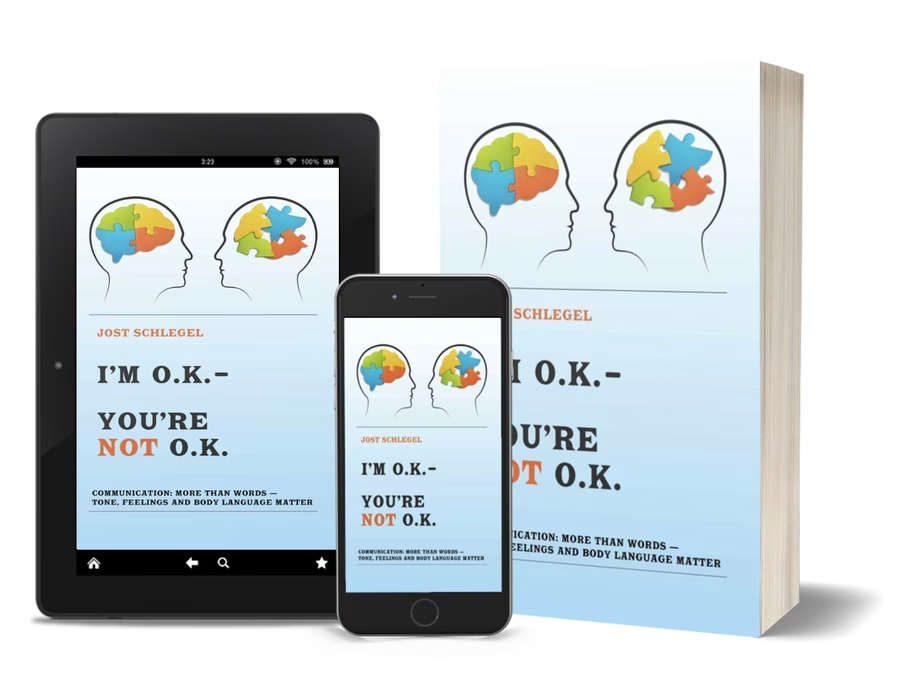
People often hope for conversations that feel natural and meaningful, yet many interactions turn confusing without warning. A resource that brings comfort and guidance can make a real difference. “I’M O.K. – YOU’RE NOT O.K.: Communication: More than words, tone, feelings and body language matter” by Jost Schlegel offers supportive insights for anyone who wants to communicate with greater intention. The book invites readers to examine the signals behind conversations and discover how connection truly forms.
Seeing Communication as a Living Process
Jost presents communication as a full experience rather than a simple exchange of words. He encourages readers to look closely at the layers that shape every moment of dialogue. Tone carries emotion in ways people sense quickly. A warm tone feels inviting. A tense tone creates distance. These subtle shifts impact the direction of a conversation long before someone finishes speaking.
The book guides readers to explore how emotions influence communication. A person who feels proud, worried, or overwhelmed may express themselves differently without realizing it. These feelings color the meaning behind their words. Jost helps readers understand how these emotional undercurrents appear in everyday life. He shows that acknowledging them strengthens understanding and builds confidence during interactions.
Body language plays an important role as well. Movements, gestures, facial expressions, and posture reveal more than many expect. People read these cues instantly. They assess openness, interest, or discomfort through simple physical signals. Jost explains how these cues affect trust and how they shape the emotional tone of a conversation. Readers begin to notice small behaviors that once slipped by unnoticed.
The book draws from family life, friendships, and workplace situations. Each environment carries unique communication habits. Jost uses familiar examples to illustrate how people fall into patterns that repeat across relationships. These patterns can create warmth or confusion depending on how they are handled. Readers gain a deeper appreciation for the influence of context on communication.
Stories, Humor, and Gentle Honesty That Encourage Growth
Jost communicates with warmth and a relaxed storytelling style. His sense of humor gives readers space to reflect on their own habits with ease. Simple moments become opportunities for learning. A quick remark during a meeting. A misunderstanding during a family discussion. A lively conversation that turns unexpectedly serious. These examples feel relatable and help readers understand the deeper lessons.
A central theme throughout the book is the idea that language carries power. Careless words can create emotional wounds that linger. Sharp phrases travel faster than intended. Jost helps readers understand how to choose words with care. He shows how thoughtful communication supports trust and prevents unnecessary harm.
He also examines the roles people take on during conversations. Some individuals present themselves as experts in every situation. Others prefer quiet observation. Some rely on confidence. Others rely on detailed explanations. These styles shape how people relate to one another. Jost encourages readers to understand these differences without judgment. He provides insight into various communication energies and how they influence group dynamics.
Emotional triggers receive special attention. Many people react quickly when a topic touches something meaningful. A memory, belief, or value can influence the entire atmosphere. Jost explains how these triggers appear in friendships, families, and social groups. By understanding them, readers gain tools to guide conversations with more patience and awareness.
Practical Steps That Bring Immediate Improvement
Jost includes questions, tips, and thoughtful reflections at the end of each chapter. These elements give readers a chance to practice what they learn. The book becomes an interactive guide rather than a passive read.
Readers explore how to choose language that supports healthy discussion. They learn how to match tone with intention. They begin to recognize when emotions shift and how to respond with calm presence. These small steps build stronger habits over time.
The book also highlights the importance of listening with attention. Listening creates space for understanding. It also helps prevent assumptions that lead to confusion. Jost shows how listening can reshape relationships by making people feel valued and respected.
Another valuable insight comes from his emphasis on practicing communication. He encourages readers to treat each conversation as an opportunity to learn. Improvement grows through action. The more someone engages with these skills, the more natural they become.
His exploration of modern social environments also adds depth. People navigate many choices and distractions throughout the day. These factors influence how they communicate. Jost provides guidance that helps readers stay centered despite these pressures.
A Guide for Anyone Seeking Meaningful Connection
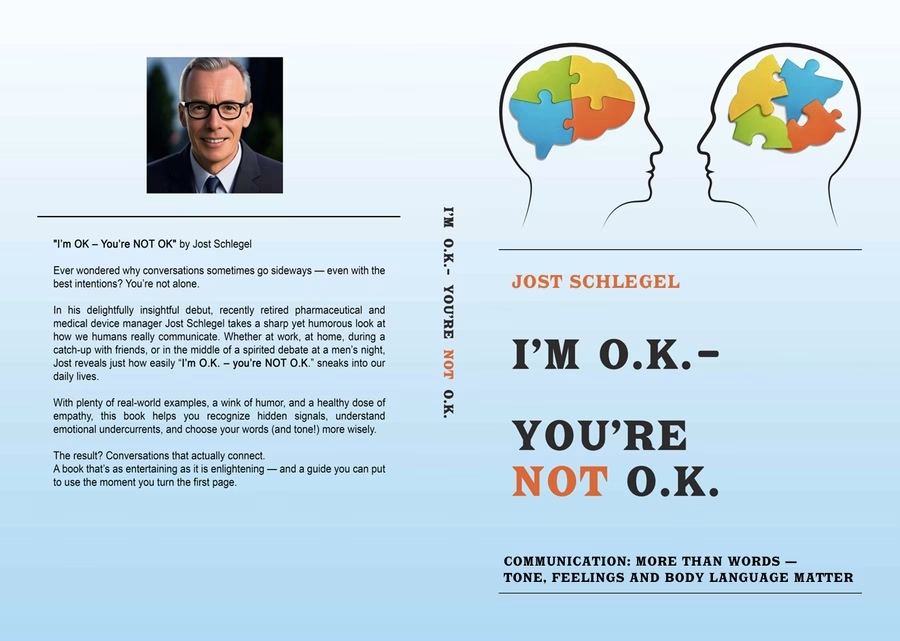
“I’M O.K. – YOU’RE NOT O.K.” offers readers a clear and inviting path to stronger communication. Jost blends real-life experience with heartfelt guidance. His approach feels open and accessible for readers of all backgrounds. With Kindle and paperback options available, the book fits easily into any lifestyle.
Readers walk away with tools they can use immediately. They gain awareness, confidence, and a deeper understanding of how communication shapes their relationships. The book encourages personal growth and supports meaningful connection through simple yet powerful insights.
Knowledge grows when shared. Please Pass it on!

Discover more from Paxjones
Subscribe to get the latest posts sent to your email.