
A Glimpse Into a Forgotten Corner of WWI
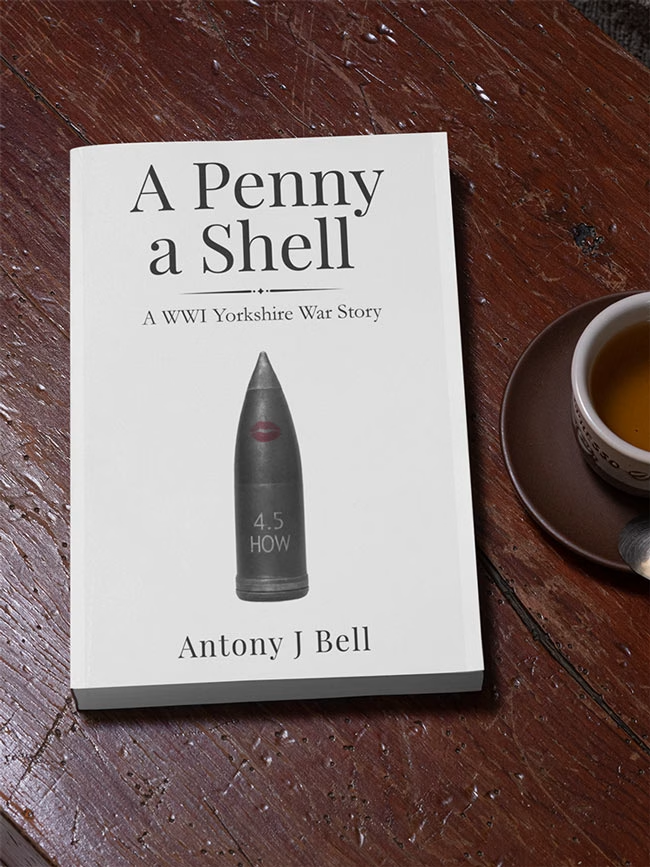
Antony J. Bell invites readers into a powerful and rarely explored chapter of British history with his novel A Penny a Shell: A WW1 Yorkshire War Story. The book brings to life the Barnbow munitions factory near Leeds, a place where ordinary women stepped into extraordinary roles during the First World War. When readers open this story, they enter a world shaped by harsh work, constant pressure, and a sense of duty that carried these women through their toughest days. Antony paints this setting with warmth and clarity. The factory feels alive with noise, movement, and the quiet determination of those who keep its machines running.
The story begins on a freezing night in December 1916, when hundreds of women walk toward Room 42, ready to fill shells destined for the Western Front. This work offers only a small reward. Every shell earns a penny. The danger, however, is immense. By 10:27 p.m., an explosion will claim the lives of thirty-five workers. Antony turns this moment into the emotional core of his novel and gives readers a chance to know three of the women whose lives lead to that night.
Women at the Heart of the Line
Eliza Wren, Sarah Jennings, and Lucy Atkinson stand at the center of the story. Each brings a different voice and a different reason for stepping through the factory doors. Eliza shoulders the burden of keeping her family afloat. Her days revolve around finding enough money to stay in their home and protect her children. Sarah arrives with a stubborn streak and a need to escape old wounds. She works with a toughness shaped by hard years and harder choices. Lucy carries quieter pain. At seventeen, she tries to steady her grief after losing her brother at the Somme. Her work becomes a way to support her parents and hold on to his memory.

Antony shapes their experiences through small moments that reveal who they are. Readers see them walking to the factory in the early dark, sharing jokes on the train, rubbing tired hands, and pushing through long hours that leave them drained. He creates scenes that move from the noise of machinery to the more personal spaces where the women think about family, loss, and hope. Their paths cross at the production benches, where precision matters and mistakes bring danger. They learn to rely on each other. They trade stories, offer encouragement, and discover companionship in a place where fear often lingers beneath the surface.
The promise of earning a penny per shell keeps the women moving at a relentless pace. Watchers with stopwatches stand nearby to count their speed. Faulty equipment slows the line. Every shift carries a sense of urgency, and the women feel it from the moment they sit down. Still, they continue because those pennies mean survival. Their courage becomes steady and instinctive, shaped by necessity and friendship. Through these three characters, Antony highlights the strength that grows when people share the same hard road.

Honoring the Barnbow Lasses
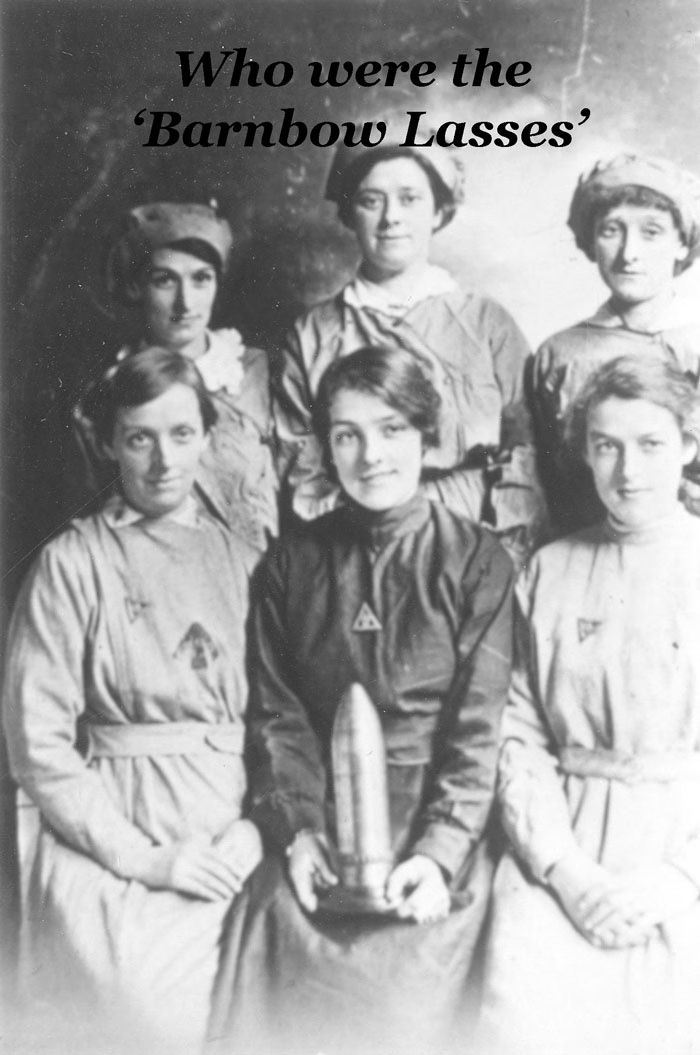
The explosion that destroys Room 42 becomes the final turning point of the novel. This tragedy was real, and Antony treats it with deep respect. The Barnbow Lasses, as the women were later known, deserve more attention than history has often given them. They filled shells day after day, performing work that carried enormous risk, and many of their names faded into the background of the wider war story. Antony brings their lives into focus and gives readers a fuller understanding of what they faced.
Because the author’s own great-grandmother died in that explosion, the story carries strong personal meaning. That connection helps shape the emotion behind his writing. The novel blends testimony, records, and family memory to create a portrait of women who showed bravery in ways that often remained invisible. Instead of focusing on battles overseas, Antony turns to the battlegrounds inside British factories, where women fought their own war through endurance, sacrifice, and solidarity.

His descriptions of their work and home lives create a fuller picture of wartime Yorkshire. The women deal with TNT poisoning, shifts that leave them aching, and grief that settles quietly between conversations. Yet they laugh with coworkers, share hurried meals, and find comfort in small routine moments. Their resilience shines in scenes that show how people keep moving even when life feels heavy. This balance of hardship and humanity makes the book feel intimate and sincere.
The Voice Behind the Novel
Antony’s background adds depth to his storytelling. As a former member of the British Armed Forces with a history degree, he approaches the subject with knowledge and genuine care. Growing up in a working-class Yorkshire family strengthens his connection to the place and its people. Through his writing, he gives readers a way to understand the women who held their communities together during the war. He continues to explore the stories hidden within the Great War and shares them with readers who look for history that feels real and personal.
A Penny a Shell is available on Amazon and Goodreads. More information about Antony and his work can be found on his website: antonyjbell.com.
Knowledge grows when shared. Please Pass it on!

Discover more from Paxjones
Subscribe to get the latest posts sent to your email.