
Breaking the Cycle of Automatic Reactions with Stop Being Emotionally Reactive
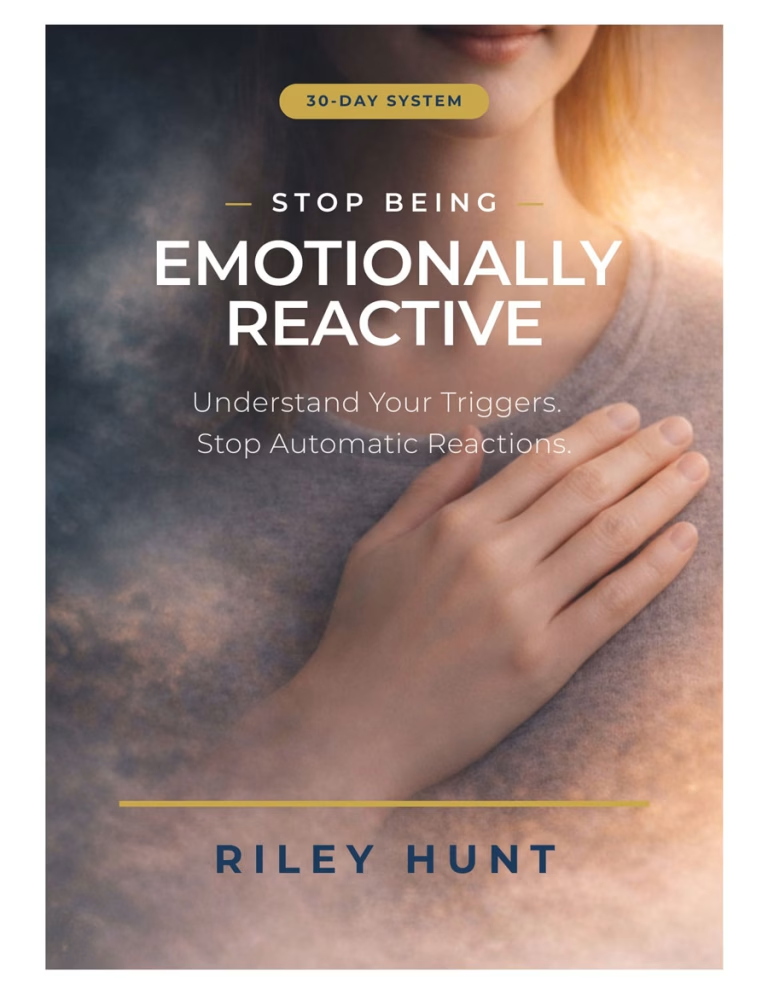
Everyday situations can trigger surprisingly strong emotions. A brief comment from a loved one, an unexpected email, or a moment of criticism can quickly lead to anger, withdrawal, anxiety, or regret. Many people find themselves caught in these reactions without understanding why they happen. In Stop Being Emotionally Reactive: Understand Your Triggers. Stop Automatic Reactions. (The Pattern Work Series), Riley Hunt provides a practical workbook designed to help readers uncover the hidden patterns behind their emotional responses and create lasting change.
Why Emotional Reactions Feel So Powerful
Emotional reactions often seem immediate and uncontrollable. By the time a person realizes what is happening, the reaction has already taken over. This experience can leave people frustrated with themselves and wondering why the same situations keep producing the same outcomes.
Riley approaches this challenge from a refreshing angle. Instead of focusing on suppressing emotions, the workbook encourages readers to understand them. The core message is that emotional reactions are connected to predictable patterns that can be identified and changed over time.
This perspective removes much of the shame that often surrounds emotional struggles. Readers are invited to become observers of their own experiences, learning how triggers develop and why certain situations create stronger reactions than others. Through this process, emotional awareness becomes a skill rather than a mystery.
A Step-by-Step Framework for Change
The workbook follows a structured 30-day format, making personal growth feel manageable and achievable. Each week focuses on a different stage of emotional development, allowing readers to build skills gradually.
The first stage centers on observation. Readers learn to identify emotional triggers and recognize the physical signals that often appear before a reaction escalates. These early warning signs can include tension, discomfort, racing thoughts, or changes in breathing. Becoming aware of these signals is an important first step toward change.
The second stage encourages deeper reflection. Instead of focusing only on visible reactions, readers explore the emotions, beliefs, and unmet needs underneath them. This process helps explain why certain situations feel more intense than others and why emotional patterns can become deeply ingrained over time.
The third stage introduces practical strategies for responding differently. Riley presents tools that readers can use immediately in real-world situations. These include simple pauses, breathing techniques, emotional awareness exercises, and methods for choosing responses more intentionally. The focus remains on realistic actions that can be applied during daily life.
The final stage emphasizes implementation. Readers begin bringing their new skills into relationships, work environments, and personal situations. The goal is to move from awareness to consistent practice, creating healthier habits that support long-term emotional well-being.
Practical Guidance for Everyday Life
One of the workbook’s most appealing qualities is its emphasis on action. Many personal development books offer insight without providing a clear path forward. This workbook combines understanding with practical application, helping readers turn knowledge into meaningful progress.
Each daily lesson requires only 10 to 15 minutes. The format includes a concise teaching section that explains emotional patterns in straightforward language. Readers then complete three reflection prompts designed to deepen self-awareness and encourage honest exploration.
The exercises are intentionally simple and flexible. They can be used during conversations, stressful workdays, challenging family interactions, or quiet moments of reflection. This accessibility makes it easier for readers to incorporate the lessons into their routines without feeling overwhelmed.
The workbook also includes a micro-win checklist that highlights small successes along the way. These moments of progress help readers recognize growth even when major changes have not yet become visible. Over time, these small victories contribute to larger shifts in behavior and emotional resilience.
For individuals who have struggled with feeling overly reactive or emotionally overwhelmed, the structured approach offers a sense of direction that many self-help resources lack.
What Makes This Workbook Stand Out
A defining strength of Riley’s work is its balance between compassion and practicality. The workbook acknowledges that emotional challenges are real while also providing tools that empower readers to respond differently. There is no promise of instant transformation. Instead, readers are guided through a process of gradual awareness and consistent practice.
The writing remains approachable throughout, avoiding unnecessary complexity while respecting the reader’s intelligence. By focusing on understanding patterns rather than judging them, Riley creates an environment where personal growth feels achievable and sustainable.
Available in Kindle, Hardcover, and Paperback formats on Amazon, the workbook offers an accessible resource for anyone seeking greater emotional clarity and self-control.

About the Author
Riley Hunt is an author dedicated to helping people develop stronger emotional awareness and healthier response patterns. Drawing on research in emotional regulation, behavior change, and personal development, Riley creates practical resources that translate complex concepts into everyday actions.
Her work is centered on empowering readers to better understand themselves, improve their relationships, and approach emotional growth with curiosity, honesty, and self-compassion.
Looking Ahead
Stop Being Emotionally Reactive serves as both a guide and a practical companion for individuals who want to better understand their emotions. Through daily exercises, thoughtful reflection, and actionable tools, the workbook helps readers move away from automatic reactions and toward intentional responses.
For those ready to break recurring emotional patterns and build greater self-awareness, Riley’s 30-day workbook offers a clear and encouraging path forward.
Knowledge grows when shared. Please Pass it on!

Discover more from Paxjones
Subscribe to get the latest posts sent to your email.