
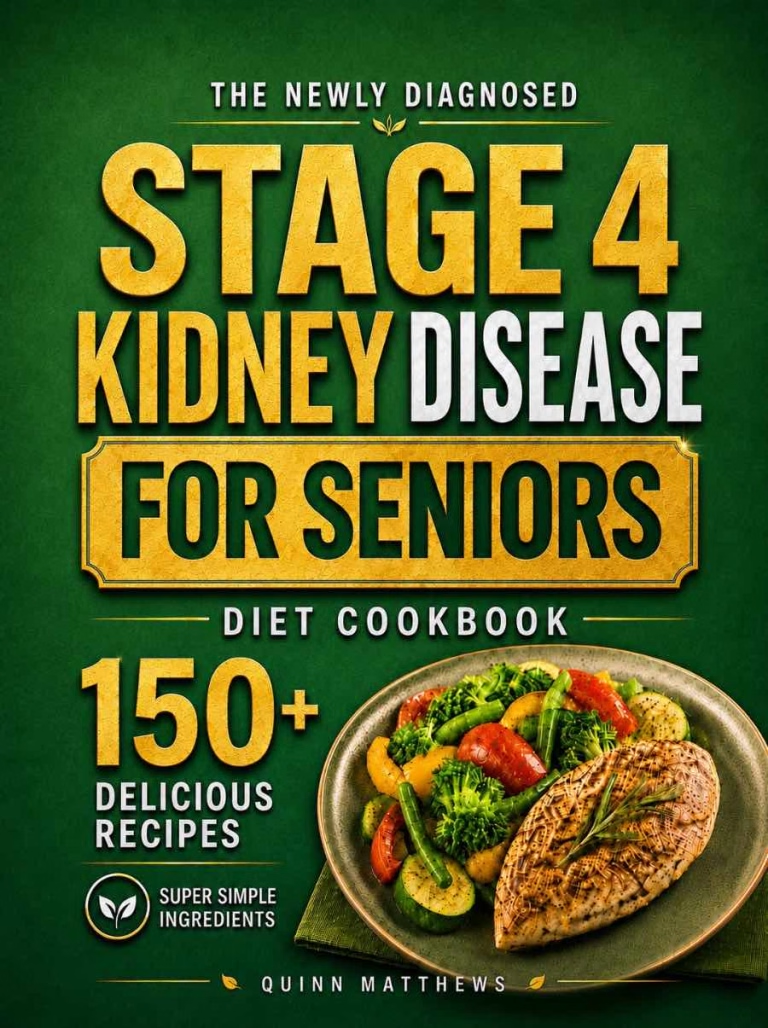
Receiving a Stage 4 kidney disease diagnosis can change the meaning of an ordinary meal. Ingredients that once seemed harmless may require closer attention, while grocery shopping, portioning, and cooking can begin to feel unexpectedly demanding.
Quinn Matthews addresses these everyday concerns in The Newly Diagnosed Stage 4 Kidney Disease Diet Cookbook for Seniors. Available in Kindle and paperback editions on Amazon, this Updated 2026 Edition provides more than 150 recipes, a carefully organized 30-day meal plan, and practical guidance for seniors and the people who care for them.
Finding Direction During an Uncertain Time
Dietary advice following a kidney disease diagnosis can arrive all at once. A senior may be asked to monitor sodium, potassium, phosphorus, fluids, protein, or portion sizes depending on personal medical needs. Even someone who has cooked for decades may feel unsure about what belongs on the plate.
Quinn presents a structured resource that helps make these changes easier to understand. The recipes are developed around low-sodium, low-potassium, and low-phosphorus eating principles. Readers can explore ideas for morning meals, soups, salads, meat-based dishes, plant-focused options, snacks, desserts, and flavorful sauces.
This variety is important. Eating the same few dishes repeatedly can reduce enthusiasm for a new meal routine. A broad recipe collection gives readers room to discover enjoyable combinations and build a rotation that suits their tastes.
Each recipe also includes per-serving nutrition values. That information can support more thoughtful planning and make conversations with healthcare professionals more productive. Dietary limits for Stage 4 kidney disease differ from person to person, so readers should review meal choices with a nephrologist or registered renal dietitian.
Turning Complicated Guidelines Into Daily Habits
One of the strongest features of the cookbook is its focus on routine. Instead of leaving readers with a large collection of disconnected recipes, it offers a 30-day meal plan that provides direction throughout the month. This structure can reduce the mental strain of choosing several meals every day.
The meal plan may be especially useful for caregivers. Family members are often responsible for balancing medical recommendations with appetite, convenience, and household preferences. Having an organized starting point allows them to plan shopping lists, prepare ingredients ahead of time, and create a steadier schedule.
Pantry guidance adds another layer of support. Packaged foods can contain considerable sodium or phosphorus additives, even when they seem suitable at first glance. Quinn encourages readers to examine labels and become more aware of the ingredients entering their kitchens. With practice, this awareness can turn grocery shopping into a more confident process.
The book also explains simple leaching methods and useful ingredient strategies related to potassium management. Clear instructions can help readers understand how preparation techniques may affect certain foods. Since leaching does not make every ingredient appropriate for every person, professional guidance remains essential.
Portioning is treated as a practical part of meal preparation rather than an afterthought. Serving size can influence how much sodium, potassium, or phosphorus a person consumes. By pairing portion guidance with nutrition values, the cookbook helps readers consider the complete plate.
The recipes are also designed with seniors in mind. Accessible ingredients and manageable preparation steps can reduce kitchen fatigue. Meals should still feel inviting, and this book aims to preserve that sense of enjoyment while supporting a more organized approach.
About the Author
Quinn Matthews creates practical cookbooks for readers managing dietary requirements and major lifestyle changes. Quinn has a strong interest in food, nutrition, and the ways simple routines can help people feel more capable in their daily lives.
Although Quinn is neither a doctor nor a professional chef, the author’s work is shaped by research, cooking experience, and a solutions-focused approach. Each cookbook is designed to transform detailed food guidelines into approachable recipes, realistic meal plans, and straightforward kitchen habits.
Quinn’s books cover dietary areas such as low-sodium, Mediterranean, keto, and gluten-free eating. Across these subjects, the focus remains consistent: uncomplicated preparation, familiar meals, helpful planning, and encouragement that respects the reader’s real circumstances.
With a particular interest in senior-friendly resources, Quinn seeks to ease the pressure surrounding specialized diets. The Newly Diagnosed Stage 4 Kidney Disease Diet Cookbook for Seniors reflects this philosophy through its clear organization and emphasis on practical support for both seniors and caregivers.
Bringing Ease Back to the Table
A kidney-conscious eating routine can become more manageable when readers have clear ideas and dependable structure. This cookbook offers both, combining recipe variety with pantry advice, nutrition details, portion awareness, and a month of organized meals.
Every Stage 4 kidney disease diet should follow personalized medical recommendations. Used alongside professional care, Quinn’s cookbook can help seniors and caregivers approach each meal with greater preparation, reassurance, and renewed enjoyment.
Knowledge grows when shared. Please Pass it on!

Discover more from Paxjones
Subscribe to get the latest posts sent to your email.