
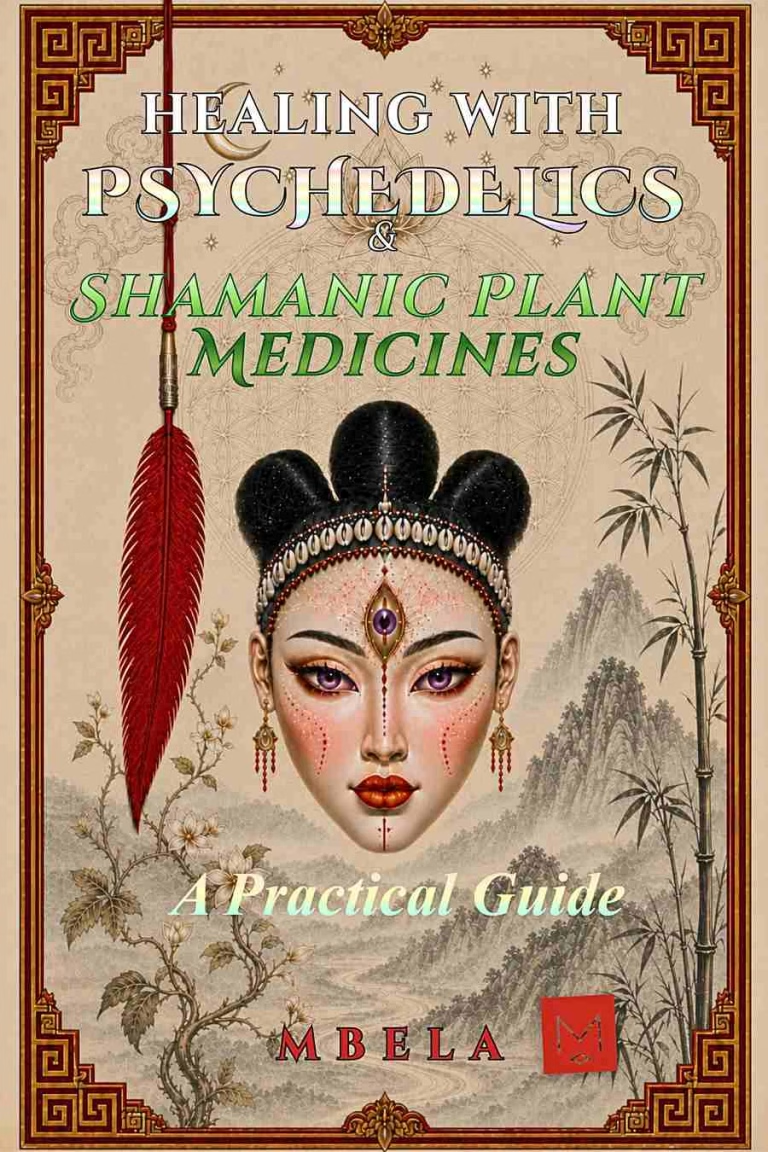
A psychedelic journey may last several hours, while its emotional and psychological impact can continue for months or even years. The quality of preparation, the safety of the setting, and the care given to integration can influence how that experience becomes part of a person’s life.
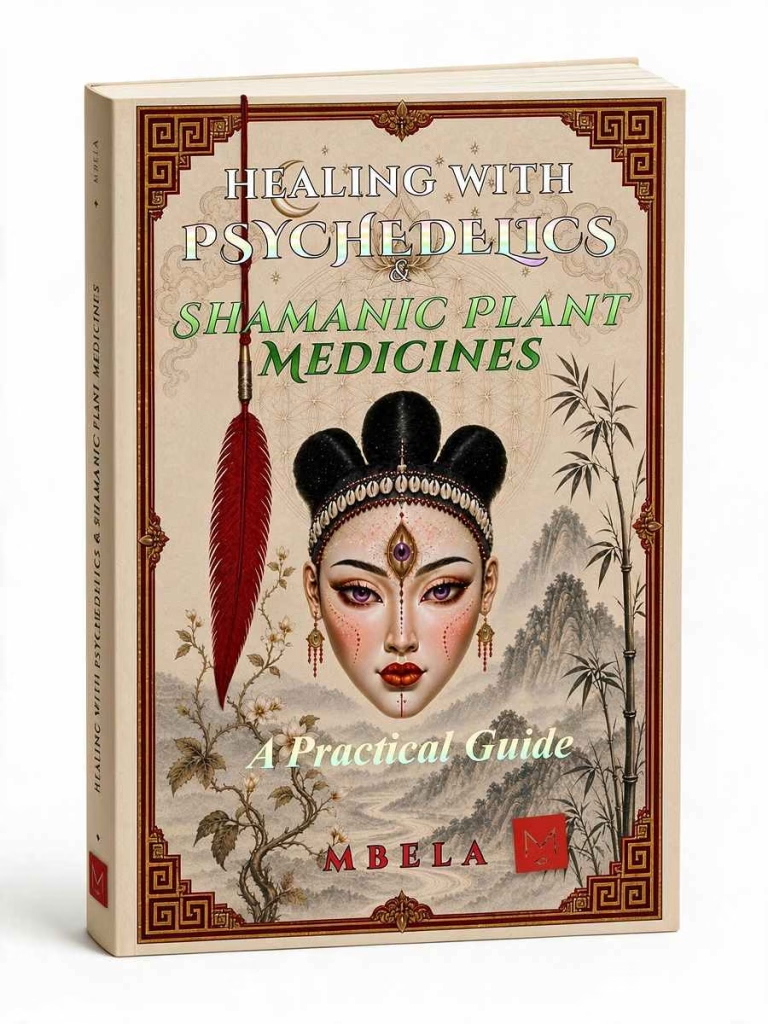
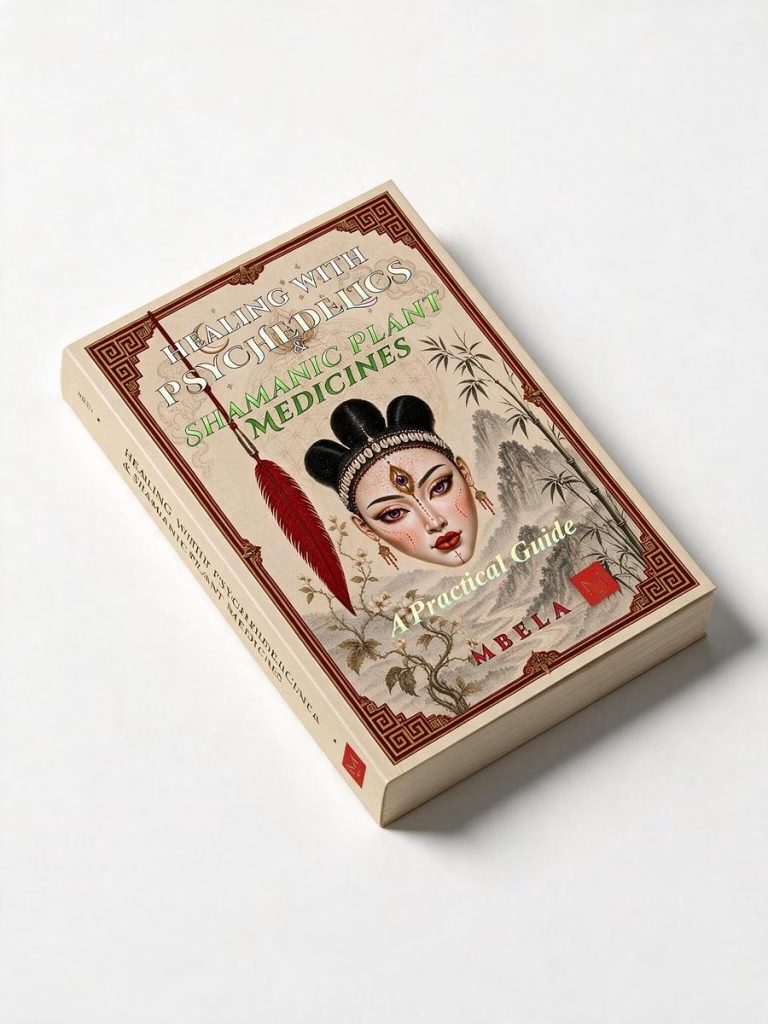
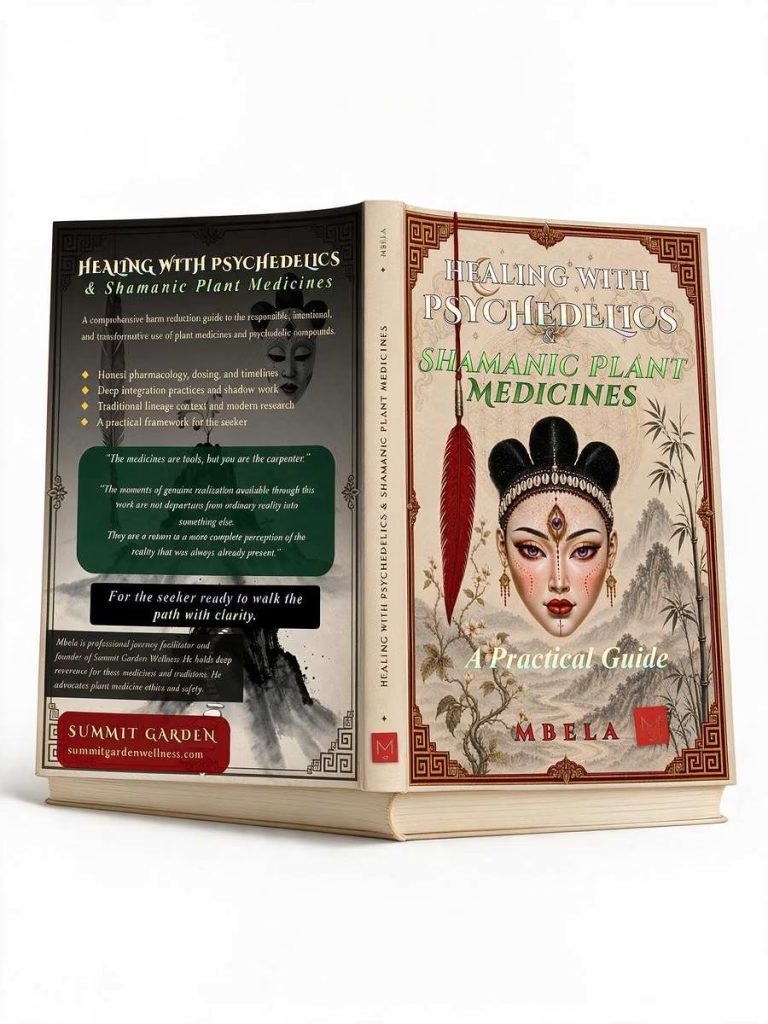
In Healing with Psychedelics & Shamanic Plant Medicines: A Practical Guide, James Mbela shares a wide-ranging resource for people seeking greater clarity before entering this complex territory. Available in Kindle and paperback versions on Amazon, the book combines practical harm-reduction guidance with insights drawn from ceremony work, traditional lineage, facilitation, and personal development practices.
Beyond Curiosity and Into Responsible Practice
Public conversations about psychedelics often focus on remarkable experiences and promising research. Journeyers also need practical information about screening, dosage, contraindications, practitioner ethics, emotional readiness, and aftercare. James brings these subjects together in a guide that readers can consult at different stages of their exploration.
The book covers psychedelic experiences across several environments, including therapeutic offices, ceremonial circles, retreats, underground sessions, and self-led settings. Each environment carries its own expectations and responsibilities. By exploring these differences, the guide helps readers consider the type of support they may require and the standards they should expect from those holding the space.
A substantial section is devoted to individual medicine profiles. Cannabis, MDMA, ketamine, LSD, psilocybin, DMT, ayahuasca, 5-MeO-DMT, iboga, mescaline, salvia, kambo, and other substances are discussed through practical and educational lenses. Readers encounter information about dosage ranges, pharmacology, duration, traditional uses, scientific perspectives, legal status, possible indications, and important contraindications.
These profiles support careful decision-making. They also show why every substance deserves individual consideration. A journeyer preparing for psilocybin may face different physical, emotional, and environmental factors from someone considering iboga or ayahuasca.
Recognizing Readiness, Risk, and the Need for Support
James treats readiness as a serious question rather than a simple matter of interest. The book outlines medical and psychiatric warning signs that may disqualify someone from psychedelic work or suggest that the experience should be postponed.
Medication use, heart health, trauma history, current emotional stability, family psychiatric history, and available support can all affect risk. The guide encourages honest screening and informed conversations with appropriately qualified professionals when health concerns are present.
Readers also learn how to evaluate facilitators and retreat programs. Training, experience, consent practices, boundaries, emergency procedures, group size, medical support, and integration resources can reveal much about the quality of a provider. This guidance can help seekers identify environments that deserve further consideration and recognize warning signs early.
Preparation also includes everyday choices. Rest, nutrition, movement, emotional reflection, and clear intentions may shape how a person enters the experience. James presents these elements as part of a larger discipline that begins before the ceremony or session itself.
When the journey grows intense, participants may encounter fear, memories, unusual imagery, physical discomfort, or a changing sense of identity. The book explores ways to remain centered as these patterns unfold. It also examines ego traps, spiritual bypassing, and the tendency to treat a powerful experience as unquestionable truth. Honest reflection can help journeyers relate to such material with maturity.
The Real Work That Follows the Experience
Integration is one of the book’s strongest areas of focus. James describes the period after a journey as the place where insight can gradually become lived change. A moving realization gains practical meaning when it influences habits, relationships, boundaries, health, and personal responsibility.
The guide offers structured approaches for processing what arose during the experience. Journaling, meditation, supportive conversations, coaching, therapy, breathwork, and chi gong may help a person explore the material without rushing to define it. Daily practice gives insights time to settle and develop.
Microdosing and minidosing protocols are included for readers interested in lower-dose approaches. The book also presents criteria for self-led journeys, with clear attention given to circumstances in which solo work may be unsuitable. This section encourages readers to assess their experience level, health, environment, intentions, and access to emergency assistance.
Throughout the guide, preparation and integration remain closely connected. Both require patience, honesty, and a willingness to continue working after the intensity has passed.
About the Author
James is the founder of Summit Garden Wellness, a temple, sanctuary, spa, eco-farm, and holistic healing center in Costa Rica’s rainforest. He is an initiated Bwiti practitioner and firekeeper entrusted by an indigenous lineage to hold medicine and guide ceremonial work.
With more than fifteen years of experience in plant medicine and traditional healing arts, James has supported nearly a thousand people through medicine journeys. His work includes facilitation, psychedelic integration coaching, meditation, Taoist internal arts, and chi gong training within the Universal Healing Tao lineage.
Where Knowledge Meets Inner Preparation
Healing with Psychedelics & Shamanic Plant Medicines speaks to first-time seekers, experienced journeyers, integration professionals, physicians, advocates, and community members helping the psychedelic field develop responsibly.
James offers a grounded reference for approaching profound experiences with care. Through detailed knowledge and practical disciplines, the book reminds readers that a journey’s value is shaped by readiness, responsible support, and the choices made after returning to everyday life.
We had the privilege of interviewing the author. Here are excerpts from the interview:
Thank you so much for joining us today! Please introduce yourself and tell us what you do.
I’m Mbela, founder of Summit Garden Wellness, a temple, sanctuary, spa and holistic healing center in the rainforest of Costa Rica. I’m an initiated Bwiti practitioner and firekeeper, entrusted by an indigenous lineage to hold medicine and guide people through it. I facilitate ceremonial works, coach people through their integration, and tend the center as a living temple and eco-farm. I’m also the author of Healing with Psychedelics and Shamanic Plant Medicines.
Please tell us about your story/journey.
I didn’t come to this from a spiritual background. My path started in computer science and music, the analytical world of the linear mind. Psychedelics found me when I needed to be taken apart and put back together, and it did exactly that. What began as my own healing became a calling. I spent years in apprenticeship, sitting with elders, keeping the fire, earning the trust of the tradition. Over fifteen years and nearly a thousand people later, that calling became Summit Garden.
What are the strategies that helped you become successful in your journey?
Reverence over ambition. I let this grow at the pace of trust, not like a startup. Staying a student, studying Taoist arts, meditation, and nutrition alongside the medicine. Safety and integrity as non-negotiables, with medical screening and no shortcuts. And reciprocity, making sure the indigenous communities this medicine comes from are acknowledged and supported, not extracted from. Success that forgets its source isn’t success.
Any message for our readers?
The most important relationship you’ll ever have is the one with yourself, and it’s the one most of us neglect. Slow down, get honest, and be willing to look at the unflattering explanation. That’s where real growth lives. If you ever feel called to this medicine, walk toward it with reverence, not curiosity alone.
Thank you so much, Mbela, for giving us your precious time! We wish you all the best for your journey ahead!
Knowledge grows when shared. Please Pass it on!

Discover more from Paxjones
Subscribe to get the latest posts sent to your email.