
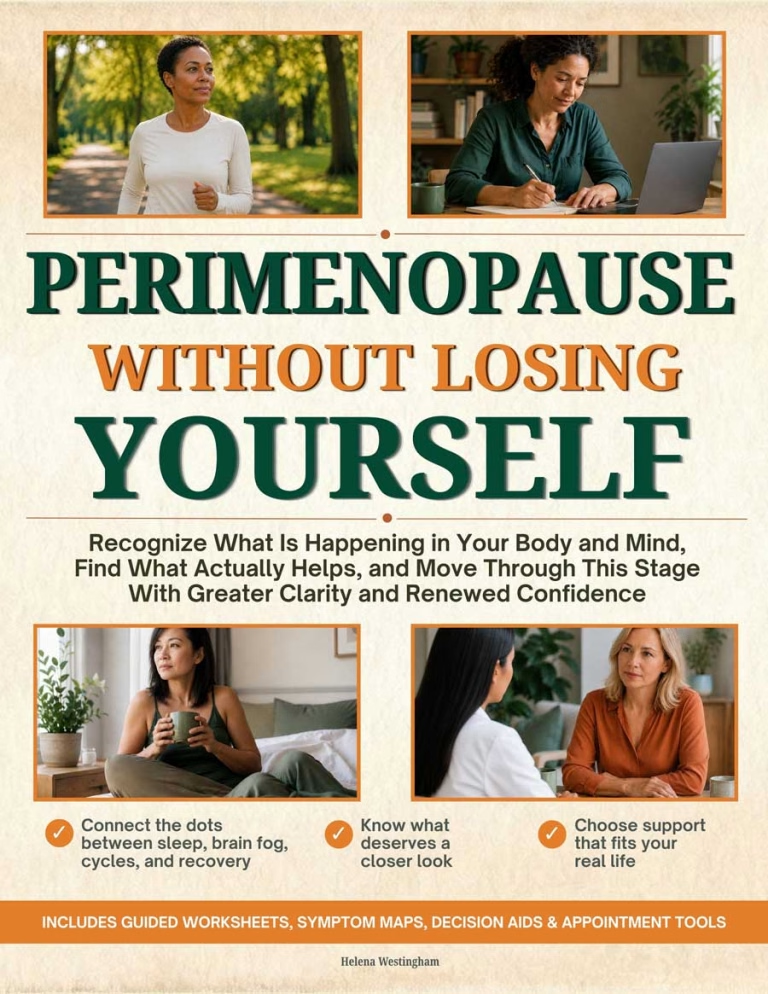
A woman can follow the same routines for years and suddenly discover that her body responds differently. Sleep becomes unpredictable, concentration slips, emotions feel unfamiliar, and everyday demands require more effort. Perimenopause Without Losing Yourself by Helena Westingham helps women understand these experiences and approach them with greater confidence.
When Familiar Signals Become Hard to Read
Perimenopause rarely arrives with a clear announcement. Many women continue having periods while experiencing changes that seem unrelated. One night may bring restless sleep. Another week may include unexplained anxiety, heart sensations, heavy bleeding, reduced energy, or difficulty recalling simple details. Exercise can feel more demanding, and recovery may take longer than expected.
These shifts often lead women in several directions at once. A doctor may assess the menstrual cycle, while another professional focuses on mood, stress, or sleep. Normal test results can add to the uncertainty. Without a broader view, women may question their discipline, resilience, or ability to manage daily life.
Helena gives readers a framework for arranging these experiences into a clearer picture. The guide explains how hormonal changes can influence several areas of health at the same time. It also encourages readers to consider other possible causes and seek evaluation when symptoms fall outside expected patterns.
This approach can ease the fear surrounding brain fog. Forgetting a name, losing track of a thought, or struggling to concentrate may cause genuine concern. The book explores how disrupted sleep, shifting hormones, emotional strain, and physical fatigue can affect mental sharpness. Readers gain language for describing these changes and practical ways to observe them over time.
Turning Personal Patterns Into Useful Information
Understanding perimenopause involves more than reading a list of common symptoms. Each woman experiences the transition differently, and her needs may change from month to month. The book’s worksheets, symptom maps, decision tools, and appointment resources help readers examine their individual patterns.
A symptom record can reveal connections that memory alone may miss. Changes in sleep might appear before mood shifts. Bladder urgency could become more noticeable during certain parts of the cycle. Physical recovery may improve when rest, movement, and meals are adjusted. Recording such details gives women useful information for personal decisions and medical conversations.
The guide also covers subjects that can be difficult to discuss openly. Pelvic discomfort, urinary symptoms, vaginal changes, and concerns about intimacy are part of many women’s experiences. Clear explanations can reduce embarrassment and make it easier to seek appropriate support. These concerns deserve thoughtful attention because they can affect comfort, relationships, confidence, and quality of life.
Treatment choices receive the same careful treatment. Readers are introduced to hormone therapy, contraception, local treatments, and nonhormonal options. The guide helps women compare these possibilities according to their symptoms, health histories, preferences, and goals. Since circumstances evolve, decisions can be reviewed as new needs emerge.
Lifestyle support is presented in a realistic way. Movement, nutrition, strength training, stress care, and recovery all matter, though familiar routines may require adjustment. A woman who once relied on intense exercise may benefit from a schedule that allows additional recovery. Someone facing disrupted sleep may need simpler meal planning and more flexible expectations. Small, sustainable changes can make everyday life feel manageable again.
About the Author
Helena writes practical, evidence-informed guides that help women understand complicated health information. Her work is designed to replace confusion with usable knowledge, allowing readers to make everyday choices with a stronger sense of direction.
She is also one of the creators of The Informed Women’s Health Project, a Facebook-based initiative developed alongside other women. Through accessible conversations about women’s health, the project encourages women to learn more about their bodies and become informed participants in their care. That same supportive purpose shapes Perimenopause Without Losing Yourself.
A Clearer Way Through Change
Available on Amazon, the book speaks to women who feel that their bodies have unexpectedly changed the rules. It acknowledges the emotional weight of that experience while offering tools for understanding symptoms, preparing questions, and assessing possible forms of support.
Perimenopause can be a deeply personal transition, and clarity can make it feel less overwhelming. With reliable information and practical guidance, women can move through this stage feeling capable, informed, and connected to themselves.
Knowledge grows when shared. Please Pass it on!

Discover more from Paxjones
Subscribe to get the latest posts sent to your email.