
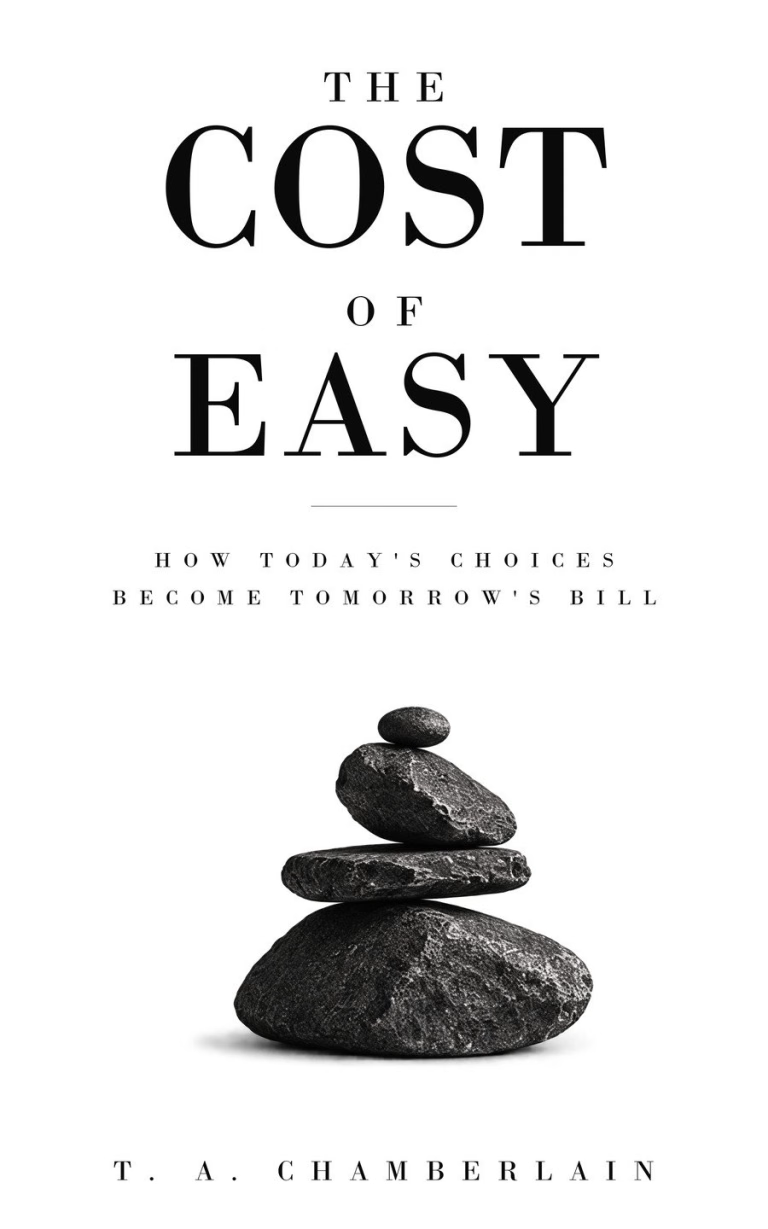
A postponed goal, an avoided conversation, or another evening spent delaying an important task can seem insignificant. Yet when these choices become routine, they may quietly determine the direction of a person’s life.
In The Cost of Easy: How Today’s Choices Become Tomorrow’s Bill, T. A. Chamberlain explores the lasting impact of decisions that offer comfort now while placing their true cost somewhere in the future.
The Quiet Power of “Later”
People rarely set out to damage their health, weaken a relationship, create financial pressure, or abandon a meaningful ambition. These outcomes often develop from ordinary decisions made during ordinary days.
Someone decides to begin exercising next week. A necessary conversation gets postponed until the timing feels better. An unnecessary purchase seems harmless because the amount is manageable. One more hour of television replaces the hour reserved for a personal project.
The immediate consequences appear small, which makes each decision easy to justify. Repetition changes the calculation. A temporary exception can become a familiar habit, and that habit can continue long enough to influence a person’s future.
Chamberlain describes this process as the cost of easy. It’s the delayed price attached to present comfort, convenience, avoidance, or pleasure. The bill may eventually appear as lost time, debt, low energy, damaged trust, reduced confidence, or regret over an opportunity that was never pursued.
The book, published on October 14, 2026, gives readers a practical way to examine these hidden exchanges. It’s available in Kindle and paperback editions on Amazon.
A Personal Experience Brings the Message Home
The book’s ideas become especially relatable when Chamberlain recalls playing with his daughter. At five feet eight inches and approximately two hundred pounds, he was not facing an immediate health crisis. He continued working, fulfilling responsibilities, and moving through daily life.
Still, his physical limitations were becoming harder to overlook. Playing basketball felt demanding. Standing after playing on the floor required more effort than expected. He felt physically tired and mentally drained, and he struggled to match the energy he wanted to bring into fatherhood.
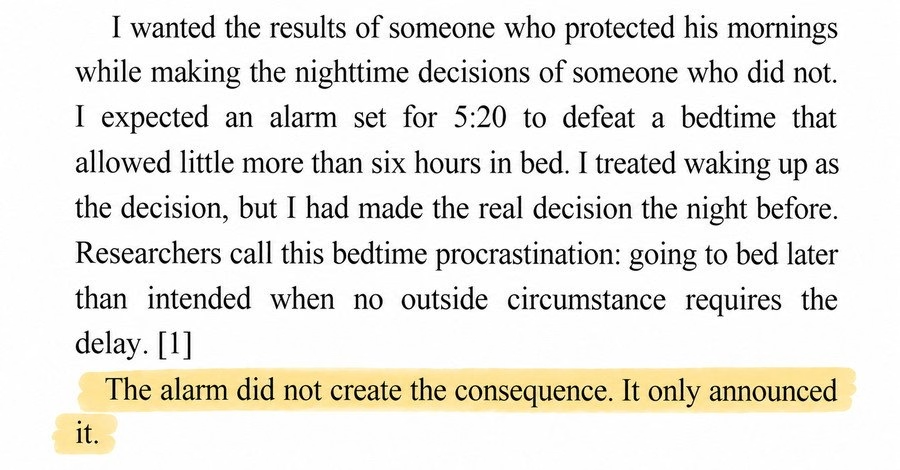
No single moment caused this change. It resulted from years without a consistent exercise habit. Late nights, drinking, television, and evenings on the couch had always seemed manageable when considered separately. Eventually, those small choices arrived together in the form of fatigue, lower confidence, and diminished strength.
This experience gives the book credibility without turning it into a lecture. Chamberlain acknowledges that he still watches too much television, misses workouts, and makes decisions he may later regret. His message comes from inside an ongoing struggle. That openness allows readers to examine their own patterns without feeling judged.
That honesty leads into one of the book’s strongest ideas: the full cost of a decision cannot always be found on a receipt. Some costs appear through the opportunities that disappear when time, attention, money, or energy is directed elsewhere.
An enjoyable evening may take the only available hour for pursuing a goal. Remaining silent can delay conflict while allowing resentment to grow. Spending may provide a brief sense of satisfaction while slowing progress toward financial security. Each choice purchases one experience and gives up another possibility.
Chamberlain also recognizes the genuine value of comfort. Rest supports health. Entertainment can bring joy. Time with family and friends gives life meaning. Readers are encouraged to understand the trade before repeating it automatically, and suffering is never treated as evidence of progress.
The harder decision has its own immediate price. Exercise requires energy. Saving money limits current spending. Setting a boundary can create tension. Beginning a project demands effort before any reward becomes visible. These payments can feel uncomfortable, though they may purchase greater freedom, health, confidence, or opportunity in the years ahead.
Each chapter directs readers toward a “First Payment,” a manageable action designed to make the future cost visible. Readers can identify something they’re doing or avoiding, describe its immediate reward, consider what five more years of repetition may produce, and choose one action that leads toward a more desirable result.
About the Author
Chamberlain is an independent author whose writing draws from experiences involving parenting, leadership, relationships, personal habits, and everyday responsibilities. His work examines how recurring decisions shape people’s lives and how greater awareness can support more intentional choices.
The Cost of Easy: How Today’s Choices Become Tomorrow’s Bill is his debut nonfiction book and the first release from Tradeoff Publishing.
Before the Charges Add Up
The Cost of Easy asks for no complete reinvention of life. It asks readers to pay closer attention to what their repeated decisions provide today and where those decisions may lead tomorrow.
Through honest reflection and recognizable examples, Chamberlain offers a timely reminder that small choices rarely remain small forever. Seeing the cost sooner gives each person a better chance to decide what they truly want their choices to purchase.
Knowledge grows when shared. Please Pass it on!

Discover more from Paxjones
Subscribe to get the latest posts sent to your email.