
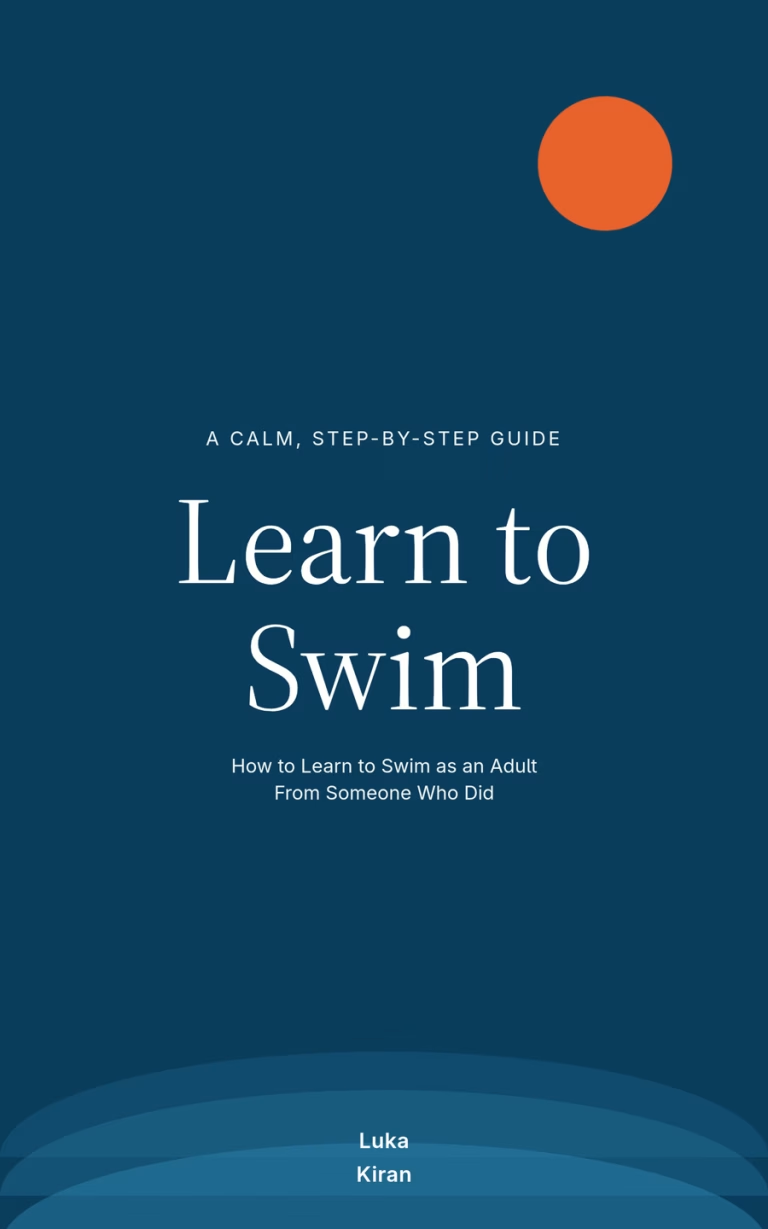
For many adults, learning to swim feels like an opportunity that disappeared years ago. Childhood passed, confidence faded, and the thought of stepping into a pool became something easier to avoid than confront. Learn to Swim: How to Learn to Swim as an Adult by Luka Kiran challenges that belief with a deeply personal story that proves meaningful change can begin at any stage of life. Instead of presenting swimming as a sport reserved for the naturally talented, the book shows how patience, small victories, and steady practice can transform fear into confidence.
A Story That Begins With Fear and Ends With Achievement
Luka spent most of his life convinced that water simply was not for him. At 41, he had never learned to float, struggled to place his face in the water, and quietly accepted that swimming belonged to other people. Those feelings remained hidden for decades, making his experience one that countless adults will instantly recognize.
Everything shifted after he became a father. As his oldest daughter started swimming lessons, Luka realized he wanted to be more than an observer. He wanted the ability to join his family in the water and respond confidently if his children ever needed help. That decision became the first step toward rewriting a lifelong belief.
The journey was anything but effortless. Early attempts left him discouraged, and one swimming lesson convinced him that he simply could not succeed. Looking back, Luka understood that the problem was not his determination or ability. The learning approach had failed to meet him where he was.
Rather than giving up permanently, he searched for a better path. His persistence paid off in remarkable fashion. Starting as a complete beginner, Luka earned Germany’s complete swimming proficiency badges, including Seepferdchen, bronze, silver, and gold, all within 17 months. His accomplishment demonstrates that consistent effort often matters far more than previous experience.
A Learning Method Designed Specifically for Adults
One feature that sets this book apart is its understanding of how adults approach learning differently from children. Many instructional guides expect readers to feel comfortable in the water from the very beginning. Luka recognizes that many adults arrive carrying years of anxiety, embarrassment, and hesitation.
Instead of rushing toward advanced techniques, the book begins with simple exercises that gradually build familiarity. The very first activity takes place at a kitchen sink, where readers practice breathing with their face in the water. It may sound surprisingly basic, yet it serves an important purpose by removing pressure and introducing comfort in a familiar environment.
As confidence develops, readers progress into the shallow end of a swimming pool. Breathing becomes more relaxed, floating starts to feel possible, and gentle movement replaces panic. Every chapter concludes with one practical assignment that encourages readers to apply what they have just learned instead of simply reading about it.
This gradual structure creates steady momentum. Each completed exercise becomes another piece of evidence that improvement is possible. Rather than overwhelming readers with technical instruction, Luka focuses on building trust between the learner and the water.
Safety remains central throughout the book. Readers are encouraged to stay in shallow water, remain within view of lifeguards, and move forward only when each step feels comfortable. That thoughtful approach makes the learning process both practical and reassuring.
More Than Swimming Lessons
Although swimming forms the heart of the book, its message reaches beyond the pool. Luka’s experience reminds readers that limiting beliefs often survive because they remain unchallenged for years. By confronting one long-standing fear with patience instead of pressure, he demonstrates how gradual progress can reshape confidence in every area of life.
Parents may appreciate the opportunity to share swimming experiences with their children. Adults who have skipped holidays, pool gatherings, or beach outings because of anxiety may discover renewed motivation. Even readers who have attempted lessons before will likely find encouragement in Luka’s honest account of setbacks, persistence, and eventual success.
The book also avoids unrealistic promises. It does not suggest overnight transformation or effortless mastery. Instead, it celebrates small improvements that gradually lead to meaningful change. That realistic perspective makes every milestone feel earned and achievable.
About the Author
Luka Kiran learned to swim at the age of 41 after spending decades believing he would never become comfortable in the water. Motivated by fatherhood and determined to overcome lifelong fear, he progressed from complete beginner to earning Germany’s Seepferdchen, bronze, silver, and gold swimming badges in just 17 months. His firsthand experience allows him to connect with adult beginners in a way that traditional swimming instructors often cannot.
Final Thoughts
Learn to Swim: How to Learn to Swim as an Adult offers encouragement for anyone who believes they have waited too long to learn an essential life skill. Through honest storytelling, practical exercises, and genuine empathy, Luka Kiran demonstrates that confidence in the water grows one manageable step at a time. His journey serves as a reminder that the best time to begin is simply the moment someone decides to take the first step.
Knowledge grows when shared. Please Pass it on!

Discover more from Paxjones
Subscribe to get the latest posts sent to your email.