
A Fresh Look at “Going Small” Under Stress
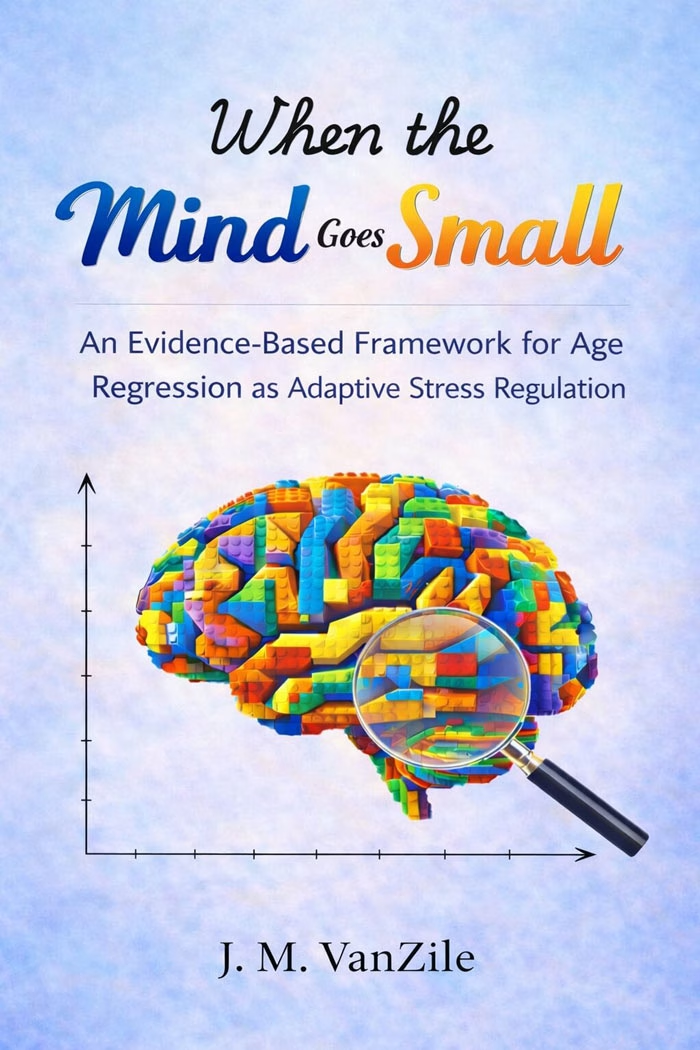
Stress does strange things to the human brain. One moment, a person can handle schedules, conversations, and responsibilities with ease. The next, even simple tasks can feel overwhelming. In When The Mind Goes Small: Age Regression and the Science of “Going Small”, author J. M. VanZile explores this shift in a way that feels both grounded and deeply relatable. The book focuses on a specific experience many people struggle to explain: the mind temporarily “going small.”
This idea does not describe laziness or immaturity. It refers to a stress-driven state where the brain pulls away from complex thinking and moves toward simpler emotional and sensory needs. Speech can feel difficult. Decisions may feel impossible. Comfort becomes the priority. A familiar show, a soft hoodie, a favorite snack, or a quiet room can suddenly feel like the only things that help.
VanZile presents this response as something meaningful rather than something shameful. He offers a structured, research-informed explanation of why the nervous system reacts this way and what can be done to support regulation without stigma.
Why the Brain Shifts Into Smaller States
One of the most valuable parts of the book is its explanation of what happens inside the body during intense stress. VanZile emphasizes that when the nervous system becomes overloaded, higher-level thinking often drops away. Executive functioning, planning, and verbal processing require energy. Under pressure, the brain shifts resources toward survival.
In these moments, coping strategies that normally work can feel out of reach. A person may know what they “should” do, yet still feel unable to do it. This is where “going small” comes in. It is a state-dependent response, meaning the mind operates differently depending on how activated or threatened the nervous system feels.
VanZile breaks down age regression through neuroscience and stress physiology while keeping the language accessible. He also draws on trauma research, attachment theory, and learning models. Instead of presenting regression as a dramatic phenomenon, he treats it as a practical and patterned stress response that deserves understanding.
The book also draws an important line between voluntary and involuntary regression. Some people enter smaller states intentionally as a calming ritual. Others experience it automatically when stress spikes. That distinction matters because it changes how the experience should be approached, both personally and clinically.
Comfort Cues, Conditioning, and the “Cue Ecology”
Another standout concept in When The Mind Goes Small is the idea that relief can become conditioned. When certain objects, routines, or environments repeatedly help someone calm down, the brain begins to associate those cues with safety. Over time, comfort becomes linked to predictable signals.
VanZile describes how sensory regulation often becomes the most reliable tool during these states. When words are hard to access, sensory cues remain available. Soft textures, weighted blankets, familiar music, warm drinks, gentle lighting, and repetitive routines can help the nervous system downshift.
He introduces the concept of building a “cue ecology,” which is essentially a supportive environment designed around calming triggers. This approach is practical and respectful. It allows individuals to create stability without needing to force themselves into complex emotional processing when their brain is not ready for it.
Importantly, VanZile addresses a concern many readers may have: the fear of becoming dependent on comfort tools. He does not dismiss that worry. Instead, he provides strategies for building regulation practices that support autonomy. Comfort can be used intentionally while still leaving room for growth, flexibility, and resilience.
A Safe, Respectful Framework for a Misunderstood Topic
Age regression is often discussed online in ways that create confusion or discomfort. VanZile avoids sensationalism completely. His book stays firmly in the safe-for-work lane, focusing on non-sexual coping, personal dignity, and consent-based support.
This professional tone makes the book especially useful for therapists, support partners, and anyone working in mental health settings. VanZile provides language that clinicians can use without judgment. He reframes regression as an adaptive coping mechanism instead of a strange behavior that must be corrected.
The book also explores real-world complications that often surround “small states.” Shame is one of them. Many people who experience regression hide it, even from close partners, because they fear being judged. VanZile treats this shame as a predictable outcome of stigma, not as proof that the coping strategy is wrong.
He also discusses privacy, boundaries, relationship balance, and disclosure risks. These are topics that many books avoid, yet they shape how safe someone feels in everyday life. By addressing them directly, VanZile offers guidance that feels realistic and grounded.
Who This Book Helps Most
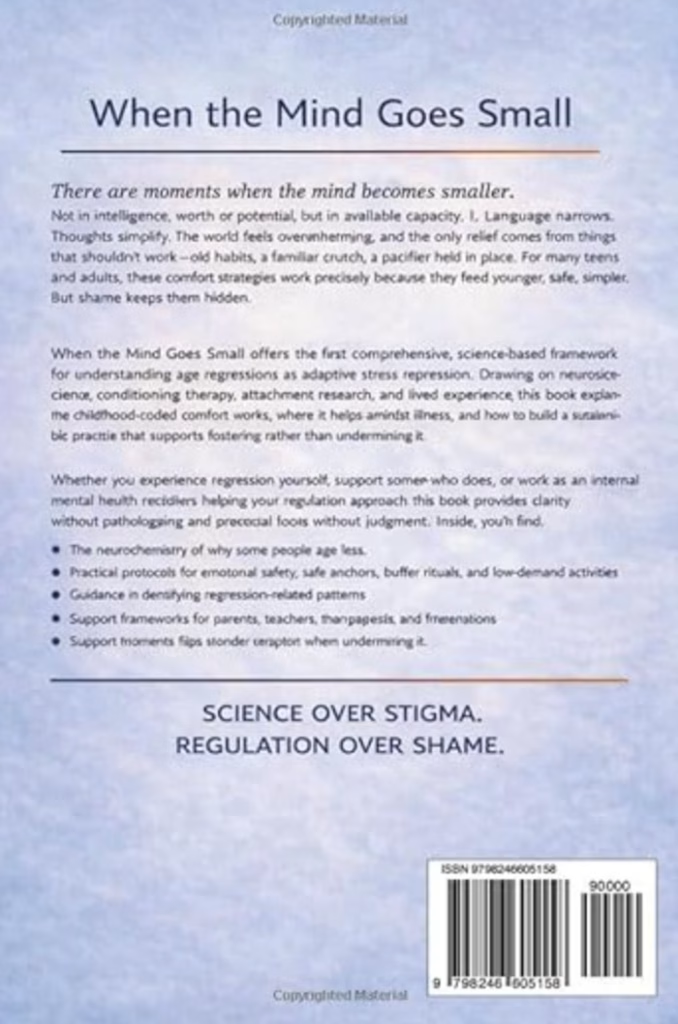
When The Mind Goes Small is written for several audiences at once. It supports individuals who experience regression, giving them tools and language to understand their own patterns. It helps loved ones who want to offer support without crossing boundaries. It also provides clinicians with a structured model for conceptualizing regression in a stigma-informed way.
VanZile’s background as a mental health professional shines throughout the text. His writing bridges academic research and lived experience, creating a guide that feels both credible and usable. He focuses on empowerment, regulation, and meaning-making, offering readers a framework that reduces fear and increases clarity.
For anyone who has ever felt their mind shut down under stress, this book offers something rare: an explanation that respects both the science and the human experience. When The Mind Goes Small: Age Regression and the Science of “Going Small” is available on Amazon, and it stands as a thoughtful resource for anyone seeking a calmer, kinder understanding of how the nervous system protects itself.
Knowledge grows when shared. Please Pass it on!

Discover more from Paxjones
Subscribe to get the latest posts sent to your email.