
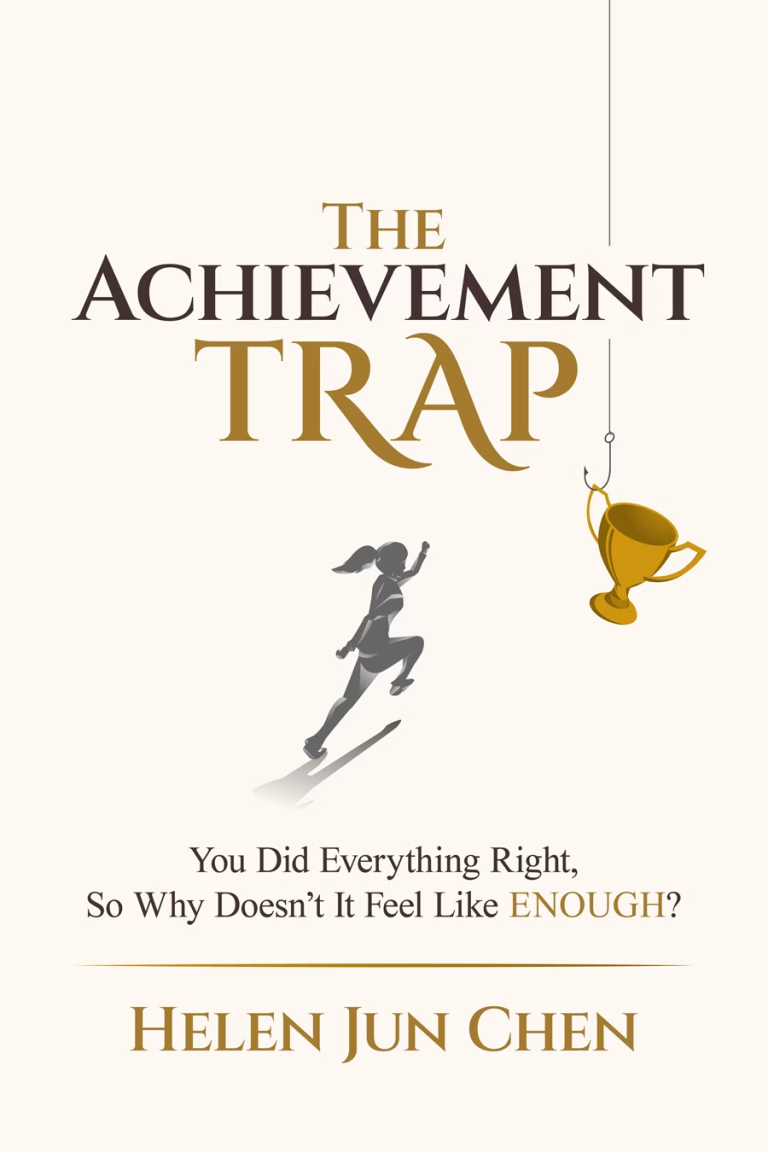
For many people, success feels like a promise. Work hard enough, achieve enough, and eventually life will feel complete. That belief drives careers, ambitions, and countless personal sacrifices. Yet there comes a moment for some high achievers when the goals are reached and the expected fulfilment never quite arrives.
That experience sits at the heart of The Achievement Trap: You Did Everything Right, So Why Doesn’t It Feel Like Enough? by Helen Jun Chen. Through personal reflection and psychological insight, the book explores why achievement often brings temporary relief rather than lasting satisfaction, and what that reveals about the way people define success.
Readers can find The Achievement Trap on Amazon in Kindle, paperback, and hardcover editions. The book is also available on Goodreads, while additional information about Helen’s work, articles, and perspectives can be found through the author’s official website.
First Impressions: A Story Many Will Recognize
What makes this book stand out is how familiar its central question feels. Most people have experienced a moment when they achieved something significant only to discover that the emotional reward was smaller than expected.
Helen approaches this topic from a deeply personal perspective. After building a career, creating professional opportunities, and reaching milestones that represented progress, she found herself confronting a persistent feeling that something was still missing. There was no major crisis and no obvious failure. On paper, everything looked successful.
Instead of ignoring that feeling, Helen chose to investigate it. She began examining her life from childhood onward, searching for the roots of her perfectionism and the constant pressure she placed on herself. That process eventually became the foundation of this book.
The result is a narrative that feels honest rather than instructional. Readers are invited into a process of discovery rather than being presented with predetermined answers.
Uncovering the Patterns Behind Ambition
A major strength of The Achievement Trap lies in its exploration of the hidden forces that shape behaviour. Helen argues that many people spend years responding to patterns they have never fully examined.
The book illustrates how achievement can become connected to identity. Validation, recognition, and performance gradually become intertwined with self-worth, creating a cycle where accomplishment feels necessary for emotional security. When success becomes a source of identity, slowing down can feel uncomfortable, and rest can feel undeserved.
Helen examines these ideas through stories, reflections, and observations that reveal how early experiences often influence later behaviour. The young girl seeking approval eventually becomes the adult chasing achievements. The habits formed years earlier continue operating beneath the surface.
What makes the discussion effective is its balance between personal storytelling and broader insight. Readers are encouraged to consider their own experiences without feeling judged or analysed. The book creates space for reflection, allowing people to recognize patterns within themselves.
Another notable aspect is the attention given to burnout. Rather than presenting burnout as a productivity problem, Helen frames it as a symptom of deeper emotional dynamics. This perspective adds depth to a topic that is often discussed only in terms of workload and time management.
No Quick Fixes, Just Powerful Clarity
Despite its focus on achievement, this is not a book about career advancement or performance optimisation. In fact, one of its most interesting messages is that success itself is not the issue.
Helen does not encourage readers to abandon ambition or stop pursuing meaningful goals. Growth, learning, and professional development remain valuable throughout the book. The difference lies in understanding why those goals matter and whether they are being pursued from a healthy foundation.
The chapters guide readers through a journey that moves from self-examination toward greater awareness. Along the way, topics such as perfectionism, validation, emotional resilience, and sustainable living are explored with thoughtfulness and nuance.
Rather than offering a step-by-step formula, the book provides language for experiences that many people struggle to describe. It helps explain why someone can be successful yet feel exhausted, accomplished yet dissatisfied, or productive yet disconnected from themselves.
About the Author
Helen Jun Chen, also known as CJ. Helen, is a systems thinker and project management professional whose work focuses on the unseen influences that shape behaviour, identity, and workplace experiences. Born in Europe with Asian roots, she draws from diverse cultural and professional perspectives to examine how people navigate expectations, achievement, and personal growth.

Through her writing, Helen combines lived experience with observations from organizational life. Her goal is to help readers identify patterns that often remain invisible, enabling them to make more conscious decisions about how they work, live, and define success.
Final Reflections
The Achievement Trap offers a thoughtful examination of what happens when external accomplishments fail to deliver the fulfilment people expect. Through vulnerability, insight, and careful reflection, Helen encourages readers to look beyond achievements and explore the beliefs that drive them.
For anyone wrestling with perfectionism, burnout, or the feeling that success should feel more rewarding than it does, this book provides a meaningful perspective. It reminds readers that understanding themselves may be just as important as reaching the next milestone, and that lasting fulfilment often begins where achievement ends.
Knowledge grows when shared. Please Pass it on!

Discover more from Paxjones
Subscribe to get the latest posts sent to your email.