
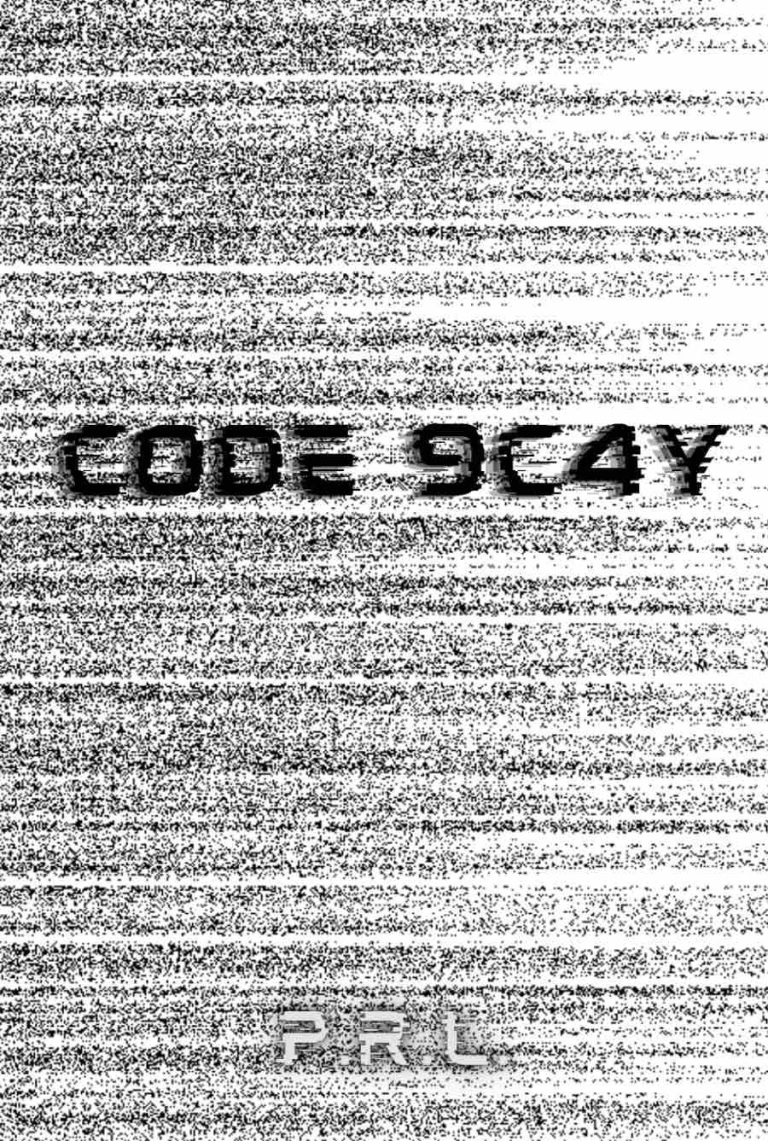
A ruined world can expose the deepest parts of human nature, especially when every ordinary choice carries the possibility of death. Code 9C4Y takes readers into that uncertainty through a heroine whose experience of the apocalypse is shaped by altered vision, scientific knowledge, and an unbreakable promise to protect a child.
Written by P. R. L., this character-driven thriller combines zombies, mystery, found family, and slow-building romance. The result is a suspenseful debut that examines survival through the complicated relationship between what people perceive, what they understand, and whom they trust.
When Perception Becomes a Survival Test
An airborne virus has dismantled civilization and transformed infected people into something no longer human. Cecelia Abbott, a former scientist, must navigate the devastation while living with an incurable neurological condition that distorts everything she sees. Most frighteningly, she cannot perceive the virus responsible for destroying the world.
This limitation influences every part of her journey. Entering an abandoned building, searching a room, or deciding whether an area is safe requires careful thought. Cecelia cannot rely on sight in the same way as other survivors, so she draws upon experience, intelligence, memory, and instinct.
Her scientific background offers valuable insight into the disaster, though knowledge alone cannot guarantee safety. Fatigue affects her judgment. Fear sharpens some senses while overwhelming others. The constant pressure of staying alive keeps her body and mind close to exhaustion.
Those qualities make Cecelia feel genuine. She can solve complex problems, break into secured spaces, and think quickly during a crisis. She can also panic when a rifle is aimed at her head. Her courage grows from continuing to act while frightened, especially when another person’s life rests upon her decisions.
Even in brutal situations, Cecelia’s internal humor gives her a distinctive voice. Her sharp observations bring personality to scenes filled with violence and uncertainty. That voice helps readers experience the apocalypse from inside her thoughts, where fear, guilt, determination, and affection regularly compete for attention.
A Child Worth Crossing the Wasteland For
Mei is a deaf three-year-old child who has depended on Cecelia since society collapsed. Cecelia has become her sworn guardian, accepting a responsibility that influences every step they take. Their relationship gives the novel a warm emotional center amid its horror.
When Mei develops a mysterious illness, survival becomes more urgent. Cecelia searches for medicine while knowing that every supply run could attract infected creatures or hostile survivors. A visit to an unmarked clinic places them in the path of armed raiders, turning a desperate search for treatment into a confrontation that could end both lives.
The scene reveals what drives Cecelia. Her fear of death remains powerful, yet the thought of leaving Mei unprotected frightens her even more. Protecting the child has become part of her identity, giving purpose to a life surrounded by loss.
Their arrival at a small survivor community appears to offer a rare chance for rest. Food, shelter, and human company carry enormous value after years of isolation. Questions soon emerge about the community’s residents and their possible connection to Mei’s past.
These suspicions create tension within the sanctuary. Cecelia must judge how much the survivors know, why they have withheld information, and whether uncovering the truth could destroy the security she has found. Every answer may bring a new danger closer.
Alongside that mystery, unlikely alliances begin to form. A slow-burn romance introduces tenderness without pulling attention away from the central struggle. Affection develops carefully because emotional openness has consequences in a world where people disappear without warning.
More Than a Conventional Zombie Story
The infected provide a frightening external threat, though the book’s deeper tension comes from secrecy, loyalty, and perception. Cecelia’s disability directly affects how the story unfolds, shaping practical obstacles and her interpretation of events.
Mei’s deafness adds another meaningful dimension. Their communication and dependence upon one another invite readers to consider how disabled people adapt when familiar systems vanish. Both characters possess vulnerabilities, skills, and ways of understanding their surroundings that influence their survival.
The novel also explores the meaning of family after traditional structures collapse. Connection is created through promises, shared danger, and daily acts of care. For Cecelia, saving Mei means preserving a piece of humanity within a landscape designed to erase it.
About the Author
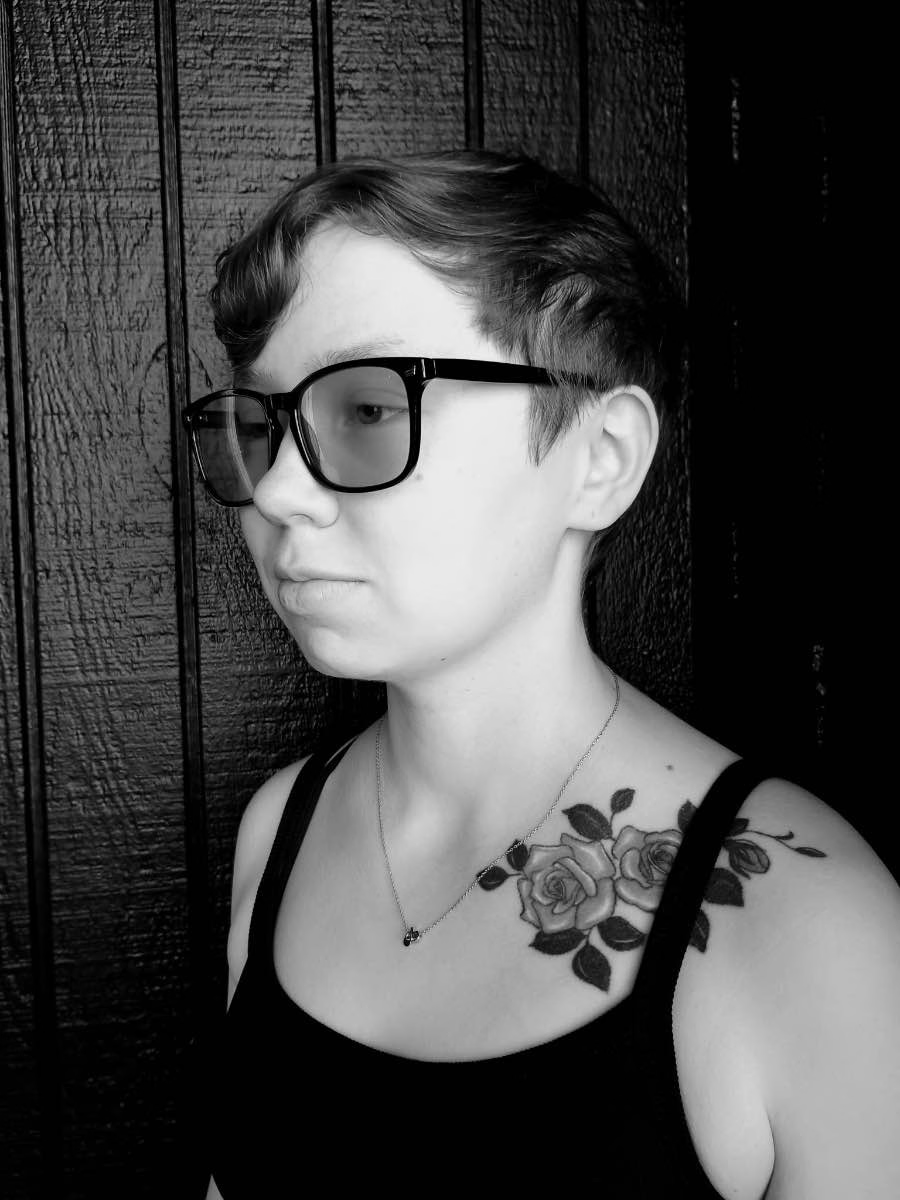
P. R. L. is a neurodivergent writer living with Visual Snow Syndrome and auditory processing differences. These personal experiences contribute to the novel’s distinctive treatment of perception, sensory uncertainty, and atmosphere.
She enjoys spending time with her family and dogs, ballroom dancing, and learning American Sign Language. Code 9C4Y is her debut novel, reflecting her interest in creative challenges and stories that offer fresh perspectives on familiar genres.
After the World Falls Silent
Code 9C4Y delivers horror, mystery, emotional intimacy, and a persistent sense of danger through characters worth caring about. Cecelia and Mei bring heart to the devastation, while the unanswered questions surrounding the virus and Mei’s history keep the story moving.
For readers searching for post-apocalyptic fiction led by a memorable disabled heroine, this debut offers an absorbing journey through fear, responsibility, trust, and the unseen forces that shape survival.
Knowledge grows when shared. Please Pass it on!

Discover more from Paxjones
Subscribe to get the latest posts sent to your email.