
Rethinking Humanity Through Storytelling and Hope
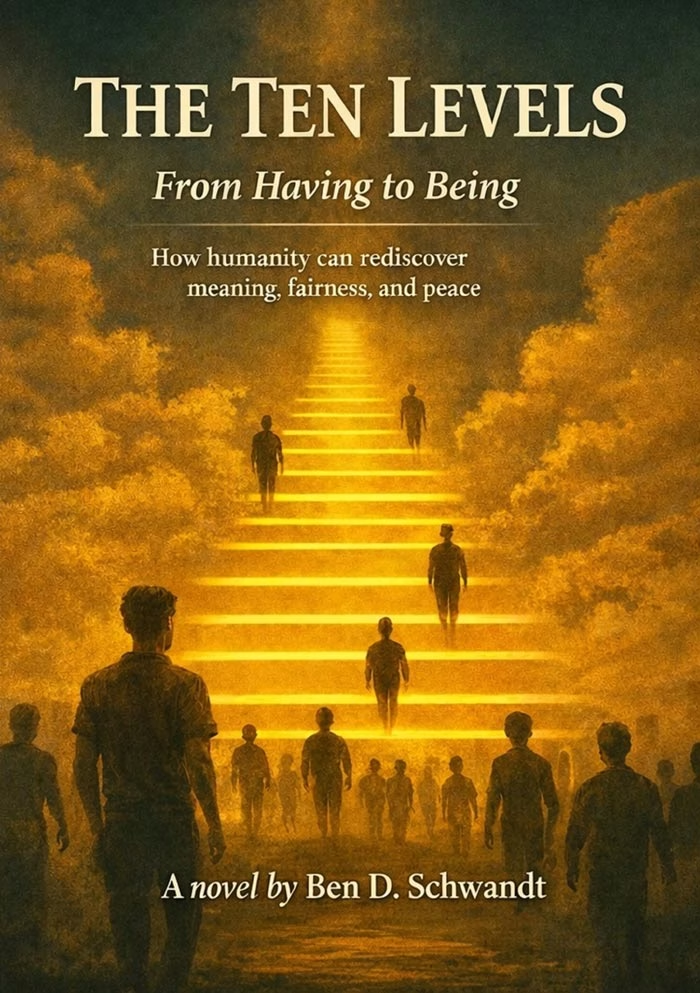
Modern society often moves at a relentless pace. Success is usually measured through financial achievement, influence, and competition, leaving many people searching for deeper meaning and connection. In The Ten Levels – From Having to Being: How humanity can rediscover meaning, fairness and peace, Ben D. Schwandt presents a bold fictional world that challenges those familiar ideas. Through a thoughtful and emotionally driven narrative, the novel explores how humanity might evolve if compassion, responsibility, and cooperation became the foundations of civilization.
Rather than focusing on dystopian fear or technological spectacle, the story centers on people and the choices they make while building a more ethical future. The result is a novel that feels inspiring, reflective, and surprisingly relevant to the world readers experience today. Ben D. Schwandt combines philosophical exploration with emotional storytelling, creating a reading experience that encourages both imagination and introspection.
At the heart of the novel are Elyas, Mira, Tayo, Ada, and Rafi, characters whose lives become intertwined during a period of profound social transformation. Their personal journeys allow readers to witness change from multiple perspectives, adding emotional depth to the book’s larger themes. Each character faces challenges that feel deeply human, making the story accessible even as it explores ambitious ideas about society and progress.
A Society Guided by Human Values
One of the most compelling features of The Ten Levels – From Having to Being is its vision of a society where wealth no longer defines personal worth. Instead of pursuing status through money or power, individuals gain recognition through contribution, integrity, and service to others. This shift creates an environment where trust and shared purpose replace competition and fear.
Ben introduces readers to a system that encourages personal growth through empathy and responsibility. People work toward collective well-being while also discovering meaning within themselves. The idea feels refreshing because it asks readers to imagine what life could look like if humanity placed emotional intelligence and cooperation above material success.
The novel explores these ideas in a natural and engaging way. Readers are never overwhelmed by theory because the philosophical themes unfold through conversations, experiences, and relationships. The world-building remains grounded in emotion, which allows the story to maintain warmth and authenticity throughout.
As the characters navigate this changing society, they encounter moments of uncertainty and resistance alongside hope and renewal. Those emotional shifts make the transformation believable. Readers can sense the fear of leaving old systems behind while also understanding the possibilities that emerge when communities choose fairness and understanding over division.
Characters That Feel Genuine and Relatable
The emotional core of the novel comes from its characters and the connections they build with one another. Elyas, Mira, Tayo, Ada, and Rafi each bring distinct personalities and perspectives to the story, allowing readers to experience the evolving world through different emotional lenses.
Some characters struggle with letting go of familiar beliefs, while others embrace the opportunity to create something better. These personal conflicts add realism to the narrative and help the philosophical ideas feel deeply personal rather than abstract. Readers witness growth, vulnerability, courage, and compassion as the story unfolds.
Ben pays careful attention to relationships throughout the novel. Friendships and shared experiences become essential parts of the characters’ development. Through those interactions, the book highlights the importance of trust and emotional support within any healthy society.
The dialogue also contributes to the novel’s reflective tone. Conversations feel sincere and purposeful, often encouraging readers to think about their own values and priorities. That thoughtful approach gives the story emotional resonance while maintaining a steady narrative flow.
Ben D. Schwandt’s Thoughtful Approach to Storytelling
Ben’s background adds another layer of authenticity to the novel. Born in Munich in 1963 and raised near Stuttgart, he worked in several professions before turning toward writing. His experiences as a photographer, entrepreneur, traveler, and sales expert exposed him to a wide range of human experiences and social environments. Those observations clearly shape the ideas explored throughout the story.
After spending almost three decades in sales, Ben began transforming his life experiences into narratives focused on change, human connection, and personal growth. That transition is reflected in the depth and sincerity of his writing. His storytelling feels informed by real-world understanding rather than distant theory.
What makes The Ten Levels – From Having to Being especially memorable is its balance between hope and realism. The novel does not pretend that social change comes easily. Instead, it acknowledges the emotional and practical difficulties involved in building a better future. That honesty gives the story credibility and emotional strength.
Readers who enjoy thoughtful fiction with meaningful themes will likely appreciate the novel’s reflective nature and hopeful spirit. It offers more than entertainment. It invites discussion about the values shaping humanity’s future and encourages readers to imagine new possibilities for society.
The book is available through Amazon and Barnes & Noble, while the audiobook can be accessed through Audioteka. For readers interested in philosophical fiction that combines emotional storytelling with inspiring ideas, Ben’s novel offers a rewarding and memorable journey.
Knowledge grows when shared. Please Pass it on!

Discover more from Paxjones
Subscribe to get the latest posts sent to your email.