
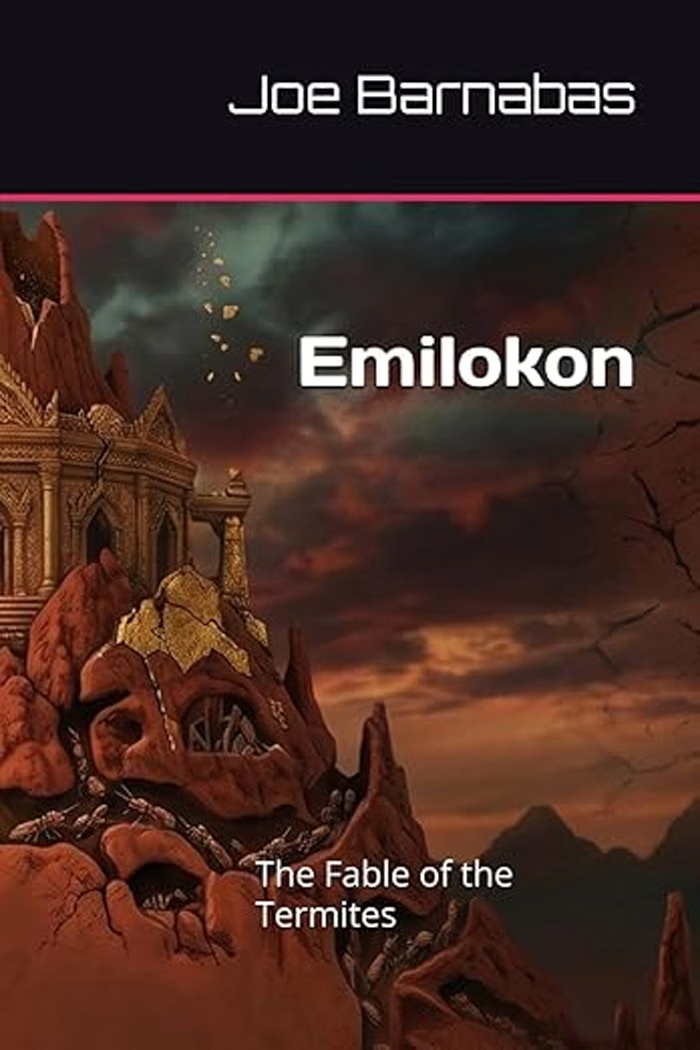
Opening Reflections
Some stories entertain, while others encourage readers to pause and examine the world around them. Emilokon: The Fable of the Termites by Joe Barnabas belongs firmly in the latter category. Through symbolism, atmosphere, and carefully crafted storytelling, it explores the forces that quietly weaken societies and institutions long before visible collapse occurs.
Rich in meaning and striking in its relevance, this modern fable offers readers a compelling lens through which to view leadership, responsibility, and the fragile foundations that support communities.
A Story Where the Greatest Threat Comes From Within
At the heart of Emilokon lies a simple yet powerful premise. A society finds itself under pressure as the structures that once provided stability begin to deteriorate. The danger does not arrive from distant enemies or invading forces. Instead, it emerges from within the very system itself.
The termites that populate the story operate as a potent symbol. They represent the unseen influences that gradually consume trust, integrity, and accountability. Their presence is subtle at first. Over time, however, their actions create consequences that become impossible to ignore.
Barnabas uses this allegorical framework to explore questions that resonate across cultures and generations. What happens when those in positions of authority lose sight of their responsibilities? How does a society respond when corruption becomes embedded within its foundations? Who ultimately pays the price when institutions fail?
Rather than offering easy answers, the narrative encourages thoughtful reflection. Readers are invited to consider the relationship between leadership and collective wellbeing while examining the warning signs that often appear before significant decline takes place.
The Power of Allegory in a Modern World
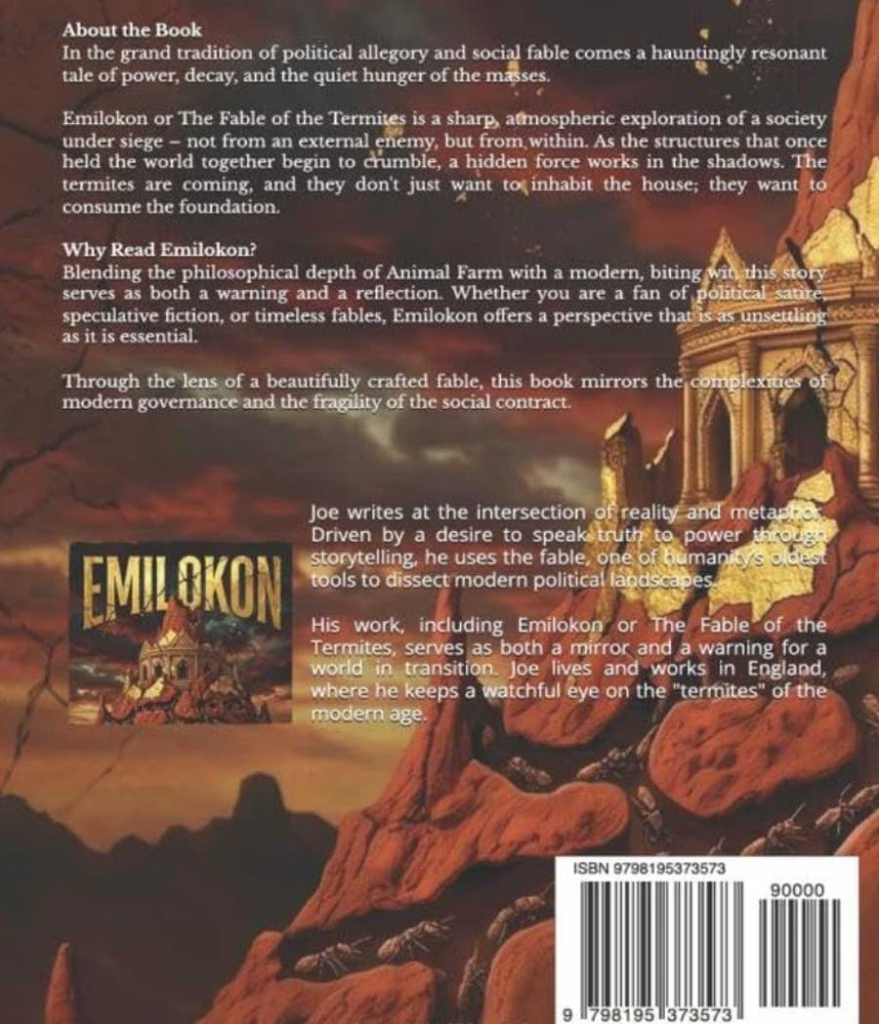
One of the book’s greatest strengths is its ability to transform complex political and social themes into an engaging literary experience. Through the timeless tradition of fable, Barnabas creates a story that feels accessible while carrying substantial intellectual depth.
Many readers may find echoes of classic political allegories within its pages. Yet Emilokon maintains a distinct voice of its own. The writing combines philosophical insight with sharp observations about contemporary society, creating a reading experience that feels both familiar and refreshingly original.
The narrative illustrates how institutions rarely crumble overnight. Small compromises, ignored warning signs, and unchecked self-interest often contribute to a much slower process of deterioration. This gradual decline forms the emotional and thematic core of the story.
The atmosphere throughout the book adds another layer of impact. There is a constant sense of unease as the invisible threat grows stronger. Readers become increasingly aware that something important is being lost, even when the full extent of the damage remains hidden.
This combination of symbolism and suspense makes Emilokon appealing to a wide audience. Fans of political satire, speculative fiction, and literary fables will all find something meaningful within its pages.
Expanding the Conversation Through Podcast Discussions
The ideas explored in Emilokon continue beyond the book itself. Readers and listeners interested in examining these themes more deeply can explore the Podcast Hub available through iPostThisWeek.
The platform features a carefully curated collection of literary, philosophical, and reflective audio content. Topics range from storytelling and symbolism to technology and the emotional frameworks that shape human societies. These discussions complement the themes found throughout Barnabas’s work.
Among the featured episodes is Emilokon Termites Fable: A Cautionary Tale of Leadership and Decay. This podcast episode examines the symbolism behind the termites and explores how institutions can weaken through neglect, complacency, and failures of leadership. It also highlights the importance of collective responsibility and the lessons communities often overlook until significant damage has already occurred.
Together, the novel and podcast create a broader conversation about governance, values, and the challenges facing modern societies.
Readers interested in discovering the story for themselves can find Emilokon: The Fable of the Termites on Amazon in both Kindle and Paperback formats.
About the Author
Joe Barnabas is a writer whose work blends reality with metaphor to examine contemporary social and political issues. He is particularly interested in using storytelling as a way to reveal hidden truths about leadership, power, and human behaviour.
His previous work, Clan of Mésalliance, established his talent for combining meaningful themes with imaginative narratives. With Emilokon: The Fable of the Termites, he continues this literary approach, using allegory to explore the challenges and uncertainties of a changing world.
Beyond his literary pursuits, Barnabas is also a technology innovator. Based in England, he balances his professional work with a continued interest in observing the subtle forces that shape institutions and societies. These experiences contribute to the unique perspective evident throughout his writing.
Lasting Takeaways
Emilokon: The Fable of the Termites is far more than a story about decay. It is an exploration of responsibility, leadership, and the consequences of ignoring problems until they become deeply rooted. Through vivid symbolism and thoughtful storytelling, Joe Barnabas creates a work that encourages readers to look beneath the surface of the systems they depend upon.
For those who appreciate intelligent fiction with real-world relevance, this book offers a memorable reading experience that remains thought-provoking long after the final chapter. It serves as both a reflection on the present and a reminder to remain attentive to the foundations that hold societies together.
Knowledge grows when shared. Please Pass it on!

Discover more from Paxjones
Subscribe to get the latest posts sent to your email.