
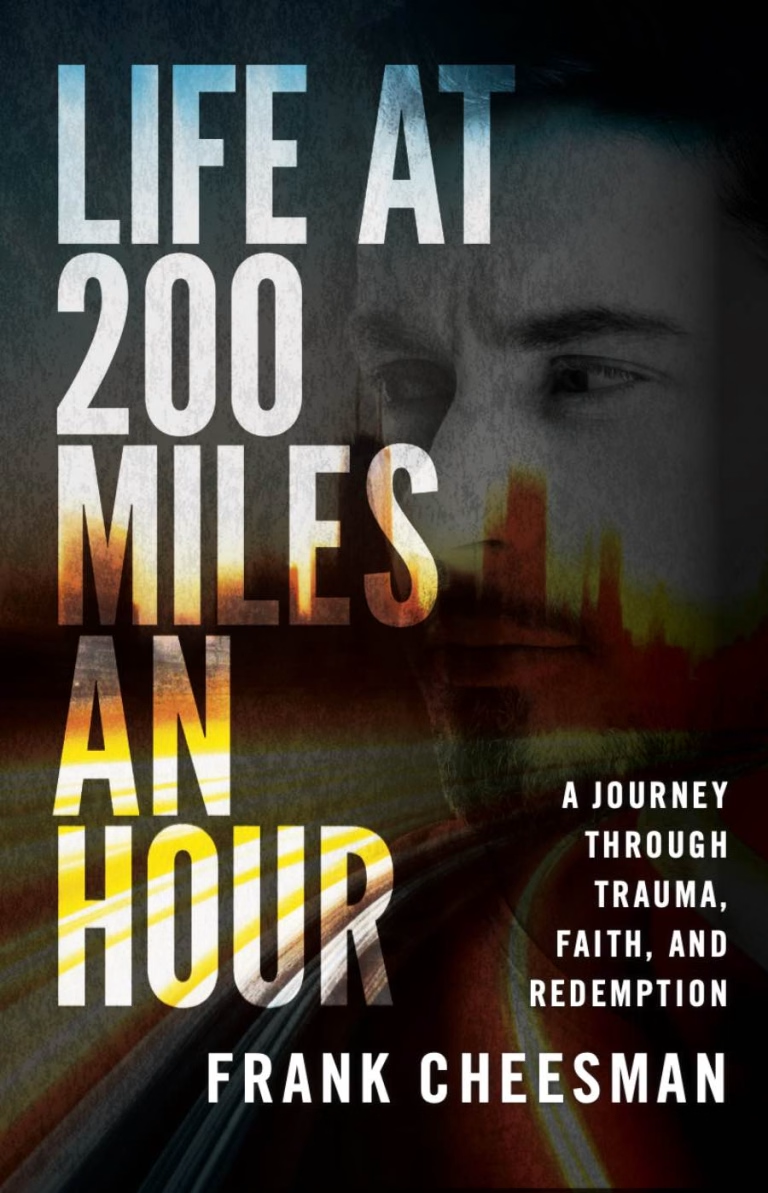
The hardest stories are often carried behind capable smiles, professional achievements, and crowded schedules. In Life at 200 Miles an Hour, Frank Cheesman opens the door to his own history and shows how honesty, faith, and grace can lead a wounded heart toward healing.
Beneath the Appearance of a Successful Life
Trauma rarely follows a predictable path. It can remain quiet for years before appearing through anxiety, strained relationships, emotional distance, unhealthy decisions, or the constant need to stay occupied.
Frank’s memoir examines this hidden influence through a deeply personal account of childhood abuse and its lasting effects. One of his earliest memories comes from the age of five, when his father drove him into the woods. He was told to remain in the truck while his father joined robed figures gathered around a burning cross.
The frightening scene stayed with him. Many other memories from that period disappeared beneath the emotional weight of what he experienced.
His childhood continued through abuse, fear, and damaging messages about his identity and future. When a new father entered his life at eleven, Frank received a different name. He also encountered further suffering. Throughout those years, his mother’s love and prayers became a source of strength that helped him continue.
Life at 200 Miles an Hour gives readers an unfiltered view of how a child learns to survive circumstances beyond his control. It then follows those survival responses into adulthood, showing how old wounds can influence a person long after the immediate danger has passed.
The story may feel familiar to readers whose lives appear stable while their inner world remains unsettled. It creates space for them to ask difficult questions about what they’re carrying and why they continue moving at an exhausting pace.
Twelve Chapters on Trauma, Identity, and Grace
The memoir takes readers through 12 chapters that explore marriage, emotional health, faith, identity, forgiveness, and restoration. Each subject emerges through lived experience, giving the book the warmth and directness of a private conversation.
Frank shares lessons drawn from a remarkably varied life. He served in two branches of the military and spent 12 years in law enforcement, specializing in criminal and drug interdiction. He investigated domestic violence and worked with child protective services to help children facing dangerous situations.
His journey has also included building businesses, hosting talk radio, leading ministry, performing CPR, and witnessing moments he believes revealed the healing power of God. These experiences shaped his understanding of human pain and strengthened his desire to serve people who feel trapped by their past.
A consistent message carries the reader forward: personal history offers valuable context, while the future still contains possibility. Healing can begin when someone becomes willing to recognize the patterns created by trauma and bring them into the light.
Biblical wisdom appears throughout the book in an accessible and compassionate form. Grace is presented as a gift that reaches people within their confusion and suffering. Readers are encouraged to approach God honestly, release the image they maintain for others, and acknowledge the areas where they need help.
Turning Reflection into Meaningful Change
The companion Study Guide & Workbook helps readers continue their personal journey after each chapter. Reflection questions encourage them to identify emotions, behaviors, and beliefs that may have developed through painful experiences.
Guided exercises provide a practical structure for moving from awareness toward action. Scripture prompts connect personal reflection with faith, while dedicated journaling space allows readers to record memories, insights, questions, and hopes.
Individuals can use the workbook privately and progress at a comfortable pace. It can also support small groups, church studies, and guided conversations where participants feel safe enough to discuss trauma, identity, and spiritual growth.
This resource recognizes that healing often develops through a series of honest moments. One realization may reveal the source of a recurring fear. Another may help a person communicate more clearly in a relationship. Over time, those moments can create a healthier and more purposeful way of living.
About the Author
Frank is the founder and pastor of Men of God Ministries, a global outreach that shares the gospel, feeds orphans, and provides medications and wheelchairs worldwide. Based in Edmond, Oklahoma, he teaches fatherhood through COPE Family Support and consults in batterer intervention.
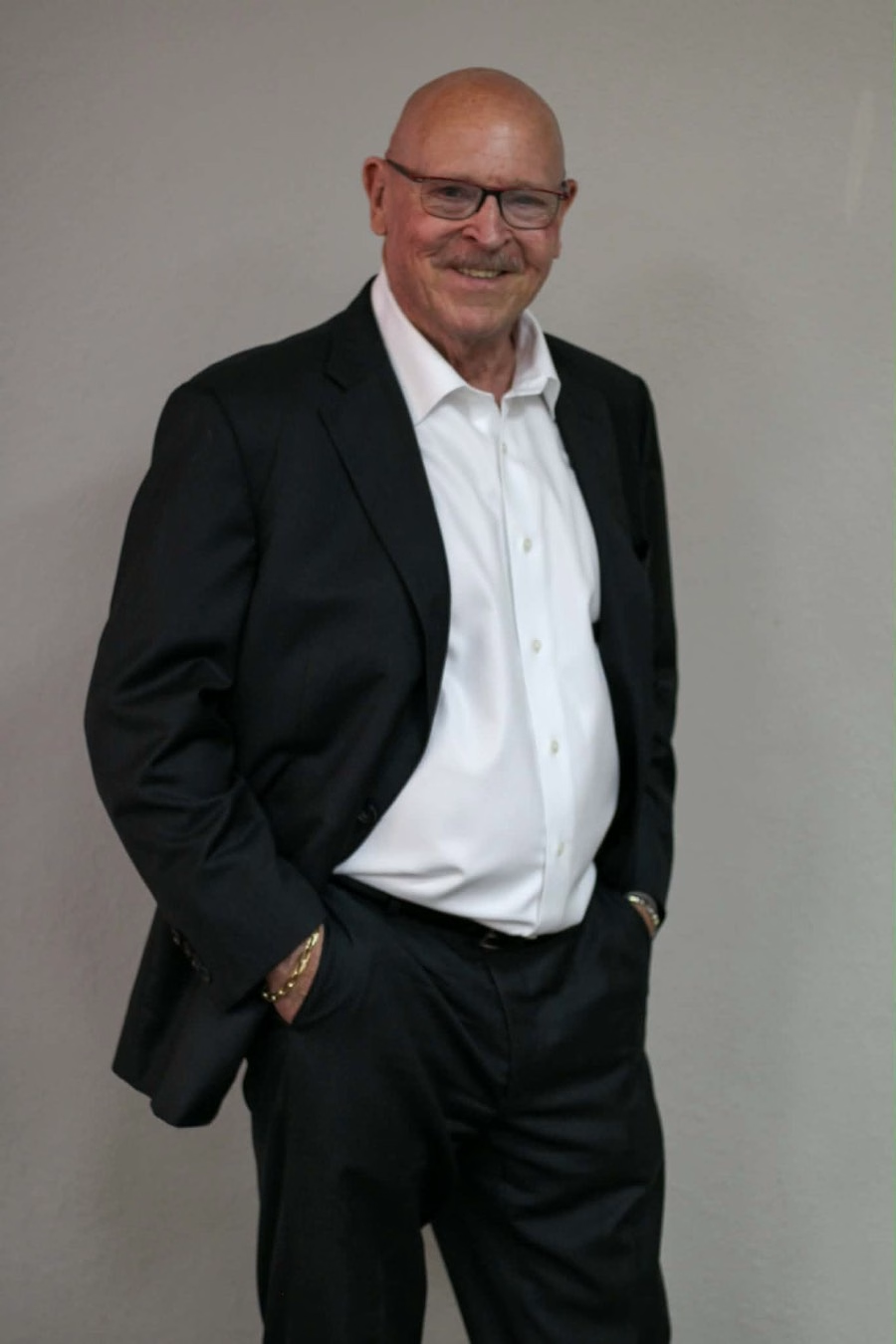
He is married to Leann, a clinical social worker whose insight helped him process decades of emotional pain. His background in military service, law enforcement, business, broadcasting, and ministry gives his writing a perspective shaped by both hardship and service.
The Courage to Choose a Slower Road
Life at 200 Miles an Hour is an invitation to pause and listen to what the heart has been trying to say. Through his vulnerable testimony, Frank offers readers reassurance that healing can begin today, grace remains available, and a painful past never has to control the direction of the life ahead.
Knowledge grows when shared. Please Pass it on!

Discover more from Paxjones
Subscribe to get the latest posts sent to your email.