
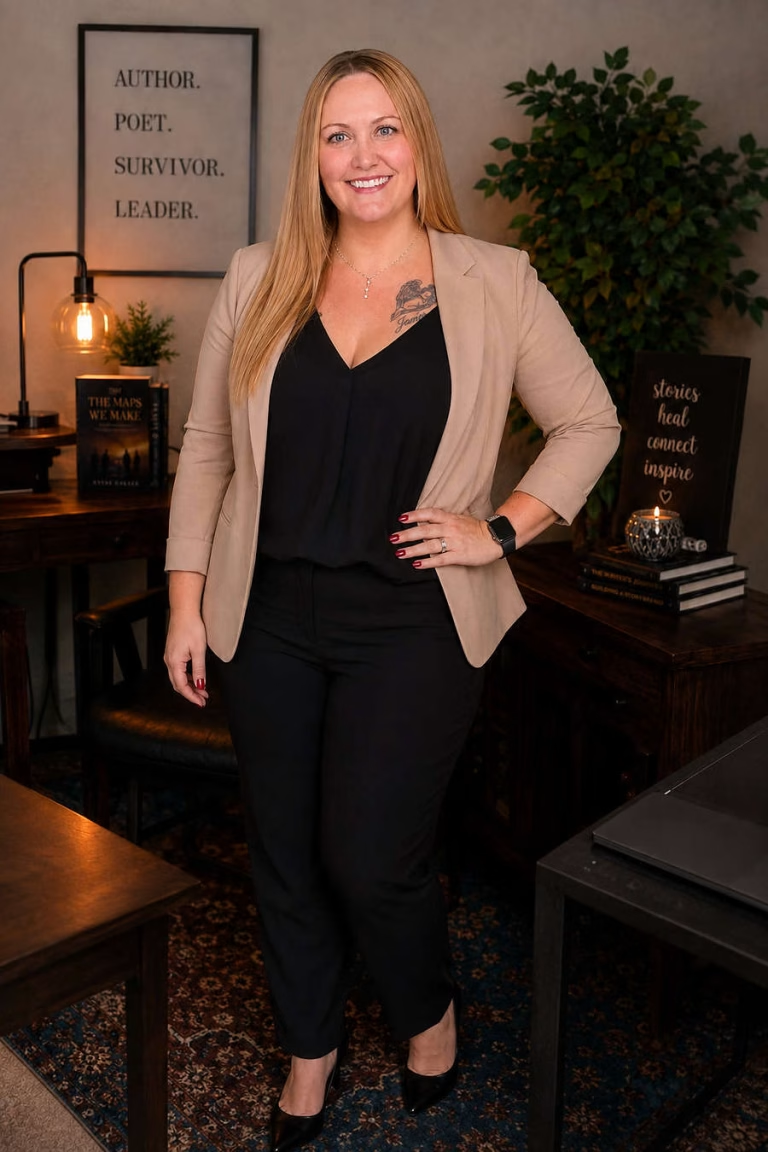
Life rarely unfolds in an orderly sequence. A hospital room can awaken memories from childhood, years of caring for others can reshape the understanding of personal pain, and an intimate relationship can reveal an unexpected route toward peace. Cherie L. Davis captures that complicated movement in The Maps We Make, a poetry collection built from experiences that have followed her through different chapters of life.
Across seven movements, the collection travels through fear, trauma, nursing, love, submission, recovery, mental health, and social observation. The poems don’t attempt to arrange life into a perfectly organized story. Instead, they preserve individual moments and emotions, allowing each piece to become a marker on a much larger personal map.
Poetry Rooted in the Days That Changed Everything
The collection begins during one of the most frightening periods in Cherie’s marriage. Her husband’s failing heart brings hospital visits, medical tests, waiting, and the realization that the person who has represented steady ground could suddenly be gone.
From that uncertainty, the poems travel into the past.
Childhood memories carry their own difficult weight. Cherie writes about sexual abuse by her older brother and the silence that followed within the family. The collection considers what happens when painful experiences remain unresolved for years and how those experiences can continue to influence adulthood.
These poems come from real days, which gives the book its sense of immediacy. Memories appear alongside present experiences, much as they can in everyday life. There’s no requirement for one emotional chapter to be completely finished before another begins.
That structure suits the title. People create internal maps from countless moments, including places they would willingly revisit and places they hope never to see again. Every experience leaves some form of direction behind.

Caring for Others While Carrying a Private History
Healthcare forms another major part of Cherie’s story. After spending fifteen years in nursing, she has witnessed illness, vulnerability, pressure, compassion, exhaustion, and the complicated realities surrounding patient care.
The Maps We Make brings readers into that environment through poems informed by long shifts, staffing challenges, heartbreaking encounters with patients, and frustration with systems that can place immense pressure on the people working inside them.
There’s also a deeply human question running through these experiences: what happens when someone responsible for caring for others is carrying pain of her own?
For Cherie, the answer includes endurance, reflection, and finding spaces where responsibility can temporarily be released. This leads the collection into one of its most intimate areas, her experience of consensual submission within a Dominant/submissive relationship.
The poem Daddy explores the mental stillness Cherie associates with kneeling before her Dominant. The ritual creates focus. Responsibilities recede, trust takes over, and surrender becomes connected with peace.
A Promise of Submission explores another dimension of that relationship. Its attention turns toward companionship, emotional support, personal growth, commitment, and the willingness to remain present through difficulties. Cherie writes openly about giving her submission and creating memories with someone who has helped her lower emotional walls.

Recovery, Restlessness, and Looking Beyond the Self
Healing appears throughout the collection as an active and continuing process. Cherie writes from experiences involving therapy, EMDR, psilocybin, and the practice of putting difficult emotions onto the page.
Progress arrives gradually. She learns more about boundaries and self-love while developing a greater willingness to choose joy. Writing becomes part of making sense of what the body and mind have carried.
Some nights remain difficult. Anxiety can arrive at 3 a.m. Depression can return, flashbacks can surface, and thoughts can become hard to quiet. Cherie includes these experiences as part of an evolving life rather than forcing recovery into a simple destination.
Her perspective eventually expands toward society itself. Mass shootings, dependence on screens, weakening interpersonal connections, and the ways people treat one another become subjects for reflection. Personal history meets collective unease as Cherie considers the world she continues to inhabit and observe.

About the Author
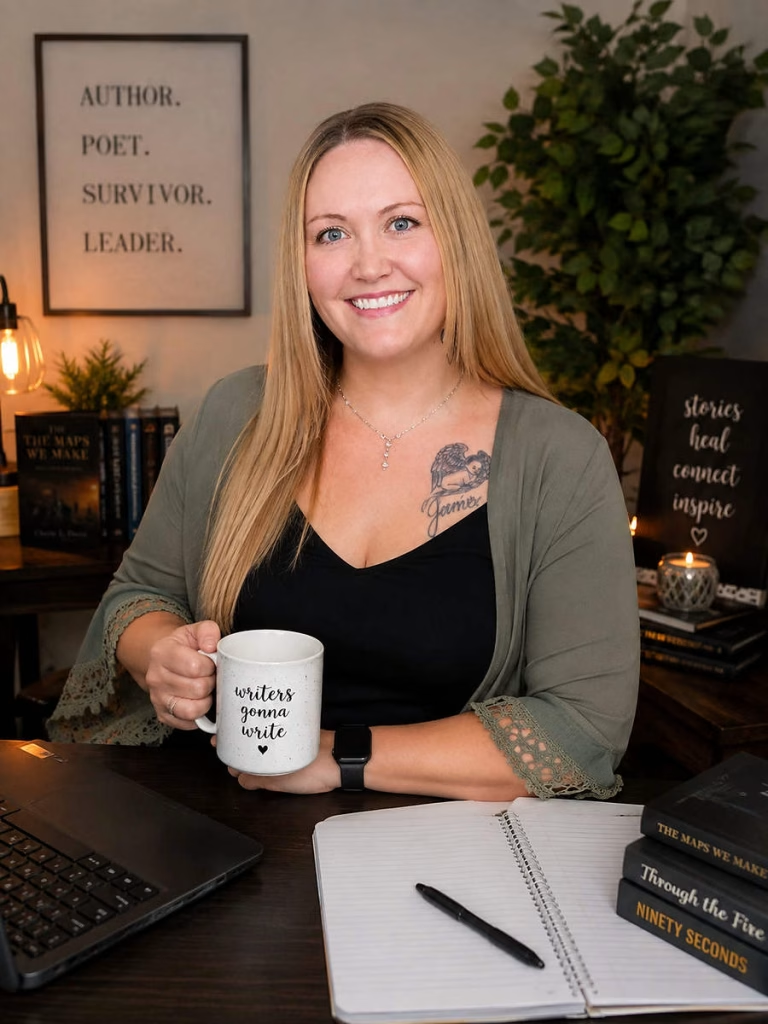
Cherie L. Davis is an author and nurse leader whose writing explores resilience, identity, healing, leadership, and the complexities of human experience.
Her memoir, Through the Fire: A Journey of Trauma, Healing, and Self-Discovery, examines survival and reclaiming oneself after trauma. In Ninety Seconds: What Nursing Taught Me Between Breakdowns and Bad Shifts, she draws upon fifteen years in healthcare, sharing compassion, humor, hard-earned insight, and experiences from life in scrubs.
Across her work, Cherie explores the stories people carry beneath the surface and the ways difficult experiences can contribute to deeper understanding.
The Roads That Remain With Us
The Maps We Make brings together poems created from experiences that changed, challenged, and stayed with Cherie. Each piece occupies its own emotional space, while the full collection reveals connections between memory, caregiving, intimacy, pain, resilience, and self-discovery.
There may be no perfectly straight route through a human life. Cherie’s collection finds meaning in drawing the map anyway, one honest experience at a time.
Knowledge grows when shared. Please Pass it on!

Discover more from Paxjones
Subscribe to get the latest posts sent to your email.