
Many people grow up believing that success follows a predictable sequence. Study hard, build a rewarding career, create a stable life, and eventually find a loving partner who complements that journey. For countless educated women, this belief became more than advice. It became a roadmap for adulthood.
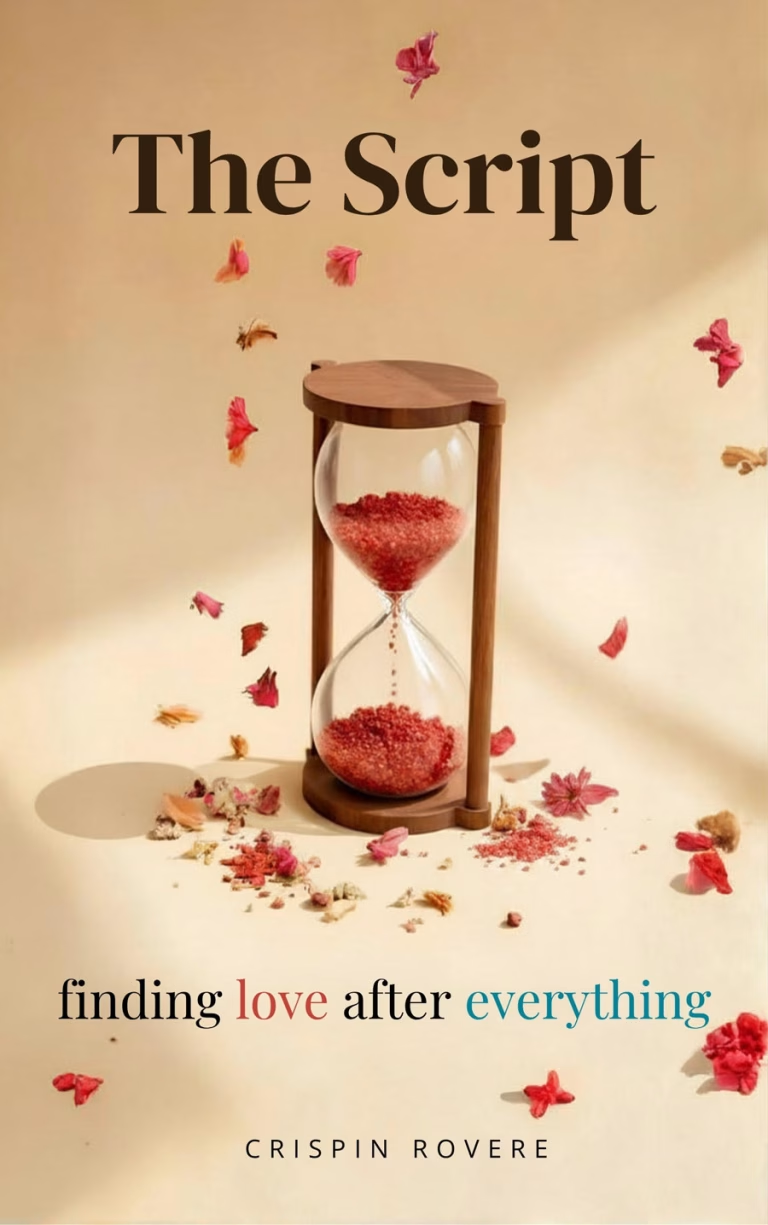
In The Script: Finding Love After Everything, Crispin Rovere explores what happens when that roadmap no longer leads to the destination many expected. Through a thoughtful combination of research and storytelling, the book examines why relationship formation has become increasingly difficult for a generation that largely followed the cultural guidance it was given.
Rather than offering quick fixes or simplistic explanations, Rovere presents a deeper investigation into the social, economic, and cultural shifts that have transformed modern dating and partnership.
Exploring the Forces Behind Modern Dating Challenges
At the heart of the book is the idea that society has changed far more rapidly than many people realize. The message encouraging women to pursue education, independence, and professional achievement brought undeniable progress. It expanded opportunities and empowered millions to shape their lives on their own terms.
Yet those positive developments unfolded alongside major transformations in the broader relationship landscape. Marriage patterns shifted. Technology altered how people meet and interact. Economic realities evolved. Expectations surrounding romance and commitment became increasingly complex.
Rovere argues that these changes collectively reshaped what he calls the partnership market. As a result, many women who successfully achieved personal and professional goals found themselves facing unexpected difficulties in their search for long-term relationships.
The book investigates these developments through multiple academic perspectives. Demographic sociology helps explain changing marriage trends. Evolutionary psychology explores human mating behaviours. Behavioural economics sheds light on decision-making and incentives. Together, these disciplines create a framework for understanding challenges that often feel deeply personal but may also be influenced by larger societal forces.
What makes the analysis particularly compelling is its commitment to evidence. The text draws from a wide range of scholarly research and incorporates extensive citations from respected experts in related fields. Readers encounter a serious examination of topics such as delayed marriage, dating app dynamics, changing standards in partner selection, economic instability, and shifting attitudes toward commitment.
Where Research Meets Real Life
While the book contains substantial academic analysis, it never loses sight of the human experiences behind the data. This balance is achieved through the story of Claire, a thirty-four-year-old professional living in London.
Claire serves as the emotional anchor of the narrative. Her experiences reflect situations familiar to many modern readers. She attends family celebrations that prompt reflection about her own future. She navigates relationships that seem promising yet fail to progress. She spends time on dating applications, encountering both hope and disappointment. Along the way, she confronts questions about timing, expectations, and the realities of modern romance.
These personal moments give life to the book’s broader arguments. Instead of reading like a traditional academic study, The Script unfolds as an engaging journey that combines intellectual inquiry with emotional depth.
Claire’s story allows readers to see how structural changes influence everyday decisions and feelings. Her experiences demonstrate that relationship challenges are rarely the result of a single mistake or personal failure. Often, they emerge from a complex interaction between individual choices and the environment in which those choices are made.
This narrative approach makes the book accessible to a wide audience. Readers interested in social analysis will appreciate the research, while those drawn to personal stories will find plenty of relatable moments throughout the chapters.
Looking Ahead with Greater Clarity
As the book progresses, its focus gradually shifts from diagnosis to possibility. The earlier chapters concentrate on identifying the forces influencing modern relationships. Later sections explore practical ways professional women can respond to those realities with greater awareness and intention.
Rather than encouraging readers to abandon their ambitions or regret past choices, Rovere advocates for understanding the current landscape more clearly. The goal is to help readers make informed decisions about relationships, family, and long-term life planning.
By examining the intersection of personal aspirations and social change, The Script opens a conversation that resonates far beyond the experiences of any single generation. It encourages reflection without judgment and invites readers to consider how cultural narratives shape expectations about love and partnership.
About the Author
Crispin Rovere is a respected strategic analyst, author, policy adviser, and media personality known for examining large-scale cultural and societal trends. With nearly twenty years of experience studying complex issues, he brings a broad analytical perspective to contemporary questions about relationships, identity, and social change. His ability to translate challenging ideas into accessible narratives is evident throughout The Script.
Closing Reflections
The Script: Finding Love After Everything offers a thoughtful examination of one of the most significant social questions facing many people today. By combining rigorous research with an engaging personal narrative, it provides readers with both insight and understanding.
For anyone interested in the evolving nature of relationships in the modern world, this book delivers a balanced and thought-provoking exploration of how love, ambition, and cultural expectations intersect in an age of profound change.
Knowledge grows when shared. Please Pass it on!

Discover more from Paxjones
Subscribe to get the latest posts sent to your email.