

A Lyrical Journey to the Nation’s Northern Horizon
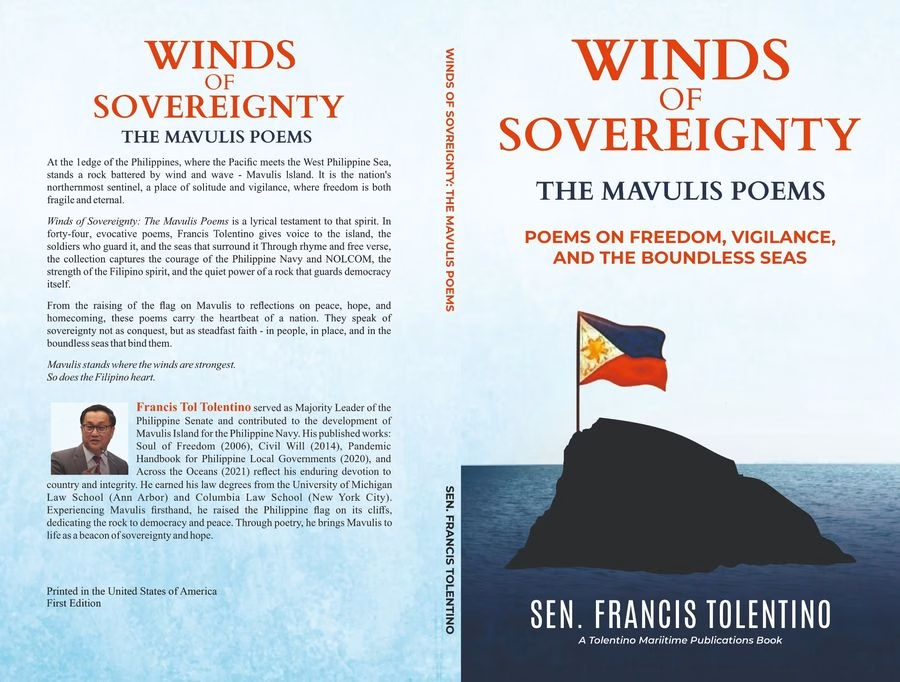
Winds of Sovereignty: The Mavulis Poems introduces readers to the vision of Senator Francis Tol N. Tolentino, who captures the essence of Mavulis Island with heartfelt clarity. The island sits at the northernmost edge of the Philippines, where the winds seem to speak and the sea carries a steady pulse. Francis Tolentino turns this remote frontier into a living presence. The poems show how the island stands with strength, shaped by nature, history, and the people who watch over it. Each piece brings out the spirit of the place with vivid emotion.

Francis Tolentino has spent years serving the country, including his time as Majority Leader of the Philippine Senate. His efforts helped develop Mavulis Island for the Philippine Navy. His background in public service and law gives him a deep sense of responsibility toward the nation. That sense of duty becomes part of the poetry. His earlier books explored themes connected to governance, community, and identity. This new collection continues that line of thought with a creative expression rooted in national pride and maritime imagery.
The book is part of a growing body of Filipino literature that highlights sovereignty and cultural heritage. Published by Tolentino Maritime Publications, the first edition arrives in early 2026 as both a paperback and an ebook. It brings together forty-four poems that move from landscapes to quiet reflections, offering a broad view of the island and its meaning to the country.
Poems That Capture Courage, Service, and the Call of the Sea
The poems in this collection carry readers through many scenes. Some take place along the shoreline, while others unfold at watchpoints and open fields shaped by tall grass. Francis Tolentino uses gentle descriptions to bring out the natural elements surrounding Mavulis. The waves seem to breathe. The horizon stretches endlessly. The wind circles the watchtower. These moments create a soothing rhythm that ties the poems together.
Freedom is one of the strongest themes. The poems guide readers toward a deeper understanding of how sovereignty feels when experienced at the country’s outermost boundary. Soldiers, fishermen, and Filipino Workers appear throughout the pages. Their presence adds layers of meaning to each poem. There are pieces describing long voyages that begin at Batanes, scenes of boats resting in calm coves, and quiet mornings filled with subtle movement.
Another theme that stands out is vigilance. Senator Francis Tol N. Tolentino portrays the island as a guardian that stays alert day and night. The poems highlight the dedication of the Philippine Navy and the Armed Forces of the Philippines. Readers can imagine the steady pace of those who keep watch over the northern sea. These figures represent courage, discipline, and service.
Hope flows naturally through the collection. Some poems speak of sunrise at the outpost, others describe returning workers who feel welcome the moment their feet touch northern soil. Francis Tolentino gives space for tenderness, even in poems set at rugged cliffs or isolated shorelines. This combination of strength and softness creates a comforting tone.

Patriotism appears throughout the book in gentle yet steady ways. The Philippine flag, the sea routes, and the stories carried by island winds become symbols of unity. The poems show how Mavulis connects the people of the Philippines with their shared identity. The maritime setting strengthens this connection by giving readers a view of the waters that define the country’s geography and history.
Mavulis as a Reflection of the Filipino Story
The book’s structure helps readers move through different aspects of the island. Early sections focus on places that shaped the nation’s sense of freedom. Later chapters turn toward the unnamed rocks, shelters, and landmarks that reveal the island’s character. Francis Tolentino guides readers from historical reflections to scenes shaped by modern life.
Some poems describe communication systems, desalination equipment, and undersea fiber-optic lines. These details show how people bring technology to remote areas. Other poems highlight natural elements such as coconut crabs at dawn, three-foot-tall grass fields, and the calm spread of nightfall across the outpost. These scenes balance the modern touches in the collection.
Francis Tolentino also gives attention to movement across seas. There are poems that feature travelers heading home from Taiwan, naval ships appearing on the horizon, and boats that navigate between the Pacific and the West Philippine Sea. These moments show how the island becomes a point of connection between people and places.
Mavulis represents strength, identity, and belonging. The poems show how the island listens, speaks, and watches. Through this portrayal, the collection encourages readers to see the country’s boundaries in a new way.
A Celebration of Heritage and the Filipino Spirit
Winds of Sovereignty: The Mavulis Poems stands as a heartfelt tribute to the Philippines. Francis Tolentino offers a collection filled with sincerity and emotional depth. Readers who enjoy poetry with a sense of place, culture, and meaning will appreciate this book.
The collection honors those who serve the nation and those who carry the Filipino spirit across seas. It invites readers to imagine the winds of Mavulis and the stories they carry. Through these poems, the island becomes a reminder of the strength, hope, and unity that define the Filipino people.
Knowledge grows when shared. Please Pass it on!

Discover more from Paxjones
Subscribe to get the latest posts sent to your email.