
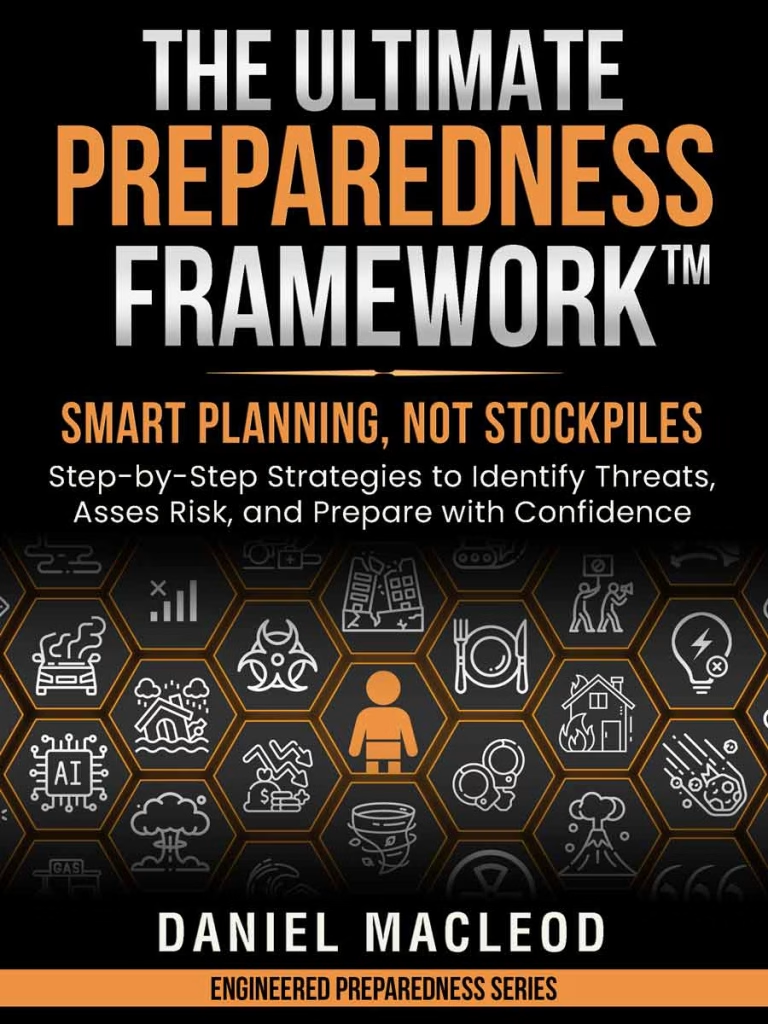
Preparedness has become a popular topic, yet many people still feel unsure about where they truly stand. This book steps in with clarity, offering a thoughtful way to prepare that feels calm, realistic, and empowering.
Rethinking What Preparedness Really Means
The Ultimate Preparedness Framework™ by Daniel MacLeod takes a refreshing approach to a field often filled with noise. Instead of urging readers to buy more gear or chase extreme scenarios, the book focuses on understanding risk through careful thought. Daniel writes from the perspective of an engineer who values structure, efficiency, and purpose, and that perspective reshapes how preparedness is defined.
Daniel’s story adds depth to the framework he presents. He grew up in rural Missouri living a self-sufficient lifestyle that felt ordinary at the time. Gardening, problem-solving, and making do with what was available were simply part of daily life. Years later, a book about societal failure shifted his perspective and pushed him toward formal preparedness. Even after years of effort, something still felt off. He had supplies and skills, yet confidence stayed out of reach.
That feeling became clearer when a modest disruption caused widespread issues in his community. Services slowed, communication failed, and people struggled with problems that had little to do with dramatic disasters. Daniel realized his preparations focused on scenarios that were unlikely while missing issues that were far more common. This insight became the driving force behind The Ultimate Preparedness Framework™.
Why Most Preparedness Efforts Fall Short
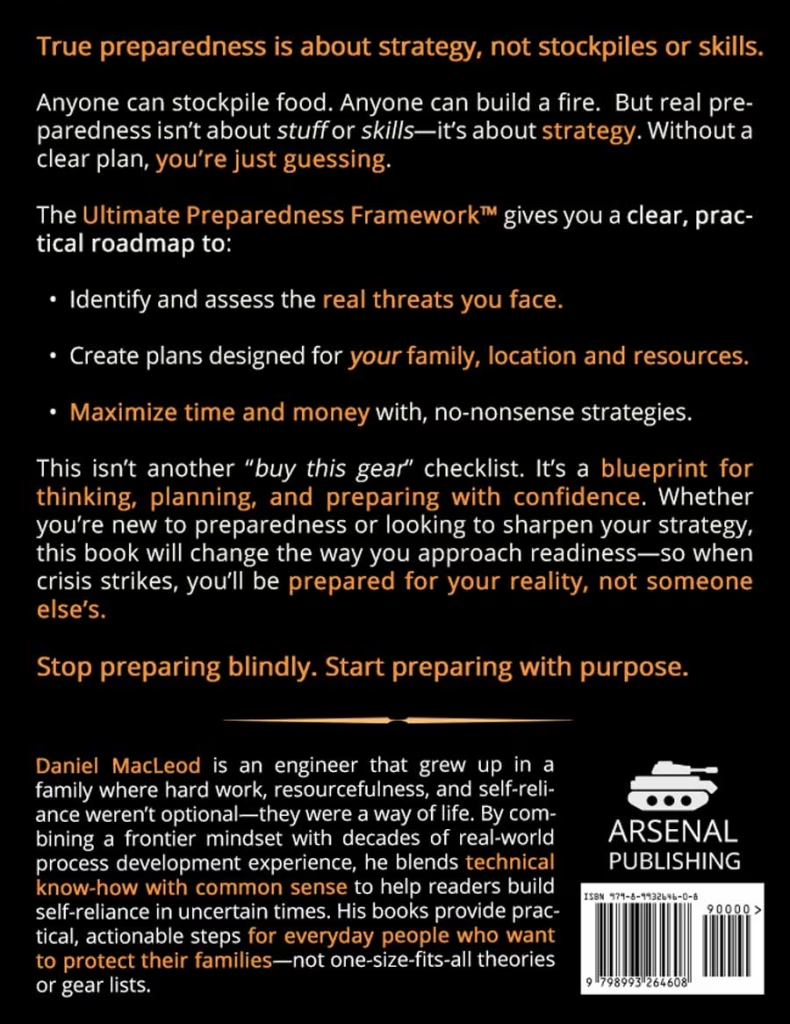
One of the book’s strongest contributions lies in its honest assessment of modern prepping culture. Daniel explains that many people focus almost entirely on the mechanics of preparedness. They learn how to store food, how to use tools, or how to practice survival skills. What often gets ignored is the reasoning behind those actions. Without understanding which threats matter most, effort becomes scattered.
Daniel introduces readers to a refined version of the military Area Study concept, adapted specifically for civilian life. Using his engineering background, he restructures this method into a practical system that evaluates local risks, infrastructure, geography, and personal circumstances. The goal is simple yet powerful. Identify realistic threats before deciding how to address them.
This process helps readers see their situation clearly. Someone living in a suburban neighborhood with a family faces different risks than someone living alone in a remote area. Work schedules, health needs, and community connections all influence preparedness priorities. Daniel encourages readers to evaluate these factors logically so that plans reflect real life rather than assumptions.
A System Designed for Real Life
What sets The Ultimate Preparedness Framework™ apart is its emphasis on process. Daniel treats preparedness as an evolving system rather than a fixed checklist. Each step builds on the last, creating a structure that adapts as circumstances change. Readers are guided through identifying threats, assessing likelihood and impact, and then creating focused plans that make sense.
Later in the book, Daniel shifts attention toward prioritization. Time and money are limited resources, and the framework respects that reality. Instead of preparing for everything, readers learn how to prepare for what matters most. This approach reduces stress and builds confidence through clarity. Preparedness becomes something manageable rather than overwhelming.
Daniel’s writing style keeps the material accessible. Technical ideas are explained in plain language, supported by examples drawn from everyday life. His tone remains friendly and grounded, which makes the book feel like guidance from a trusted advisor rather than instructions from a distant expert. Throughout the book, Daniel emphasizes calm thinking over fear-driven reactions.
Built on Experience and Practical Insight
Daniel’s background as an engineer plays a central role in shaping the framework. Years spent improving processes and solving complex problems inform every chapter. He applies the same mindset to preparedness, breaking it into components that can be analyzed and improved over time.
Readers also gain insight into Daniel’s personal values. Raised in a Christian household where responsibility and self-reliance were daily practices, he blends those principles with modern systems thinking. He lives with his wife and children in the countryside, continuing to refine the methods he teaches. That lived experience adds credibility and warmth to the book’s message.
The Ultimate Preparedness Framework™ works equally well for newcomers and experienced preppers. Beginners gain a solid foundation that prevents costly mistakes. Experienced readers find a way to refine existing plans and fill overlooked gaps. The focus stays on building confidence through understanding rather than accumulation.
Concluding Remarks
This book offers a clear shift in how preparedness is approached. By focusing on thoughtful analysis and purposeful action, Daniel shows that true readiness comes from understanding risk and planning wisely. For readers seeking calm confidence instead of clutter, this framework provides a steady and practical path forward.
Knowledge grows when shared. Please Pass it on!

Discover more from Paxjones
Subscribe to get the latest posts sent to your email.